Top activities and experiences


light rain
Humidity
66%
Wind
1.45 m/s
Time zone
IST
Currency
INR
Official languages
Ladakhi, Hindi, English, Tibetan
Best time to visit
JUN-OCT
Recommended trip duration
Travel guides, tips, and stories

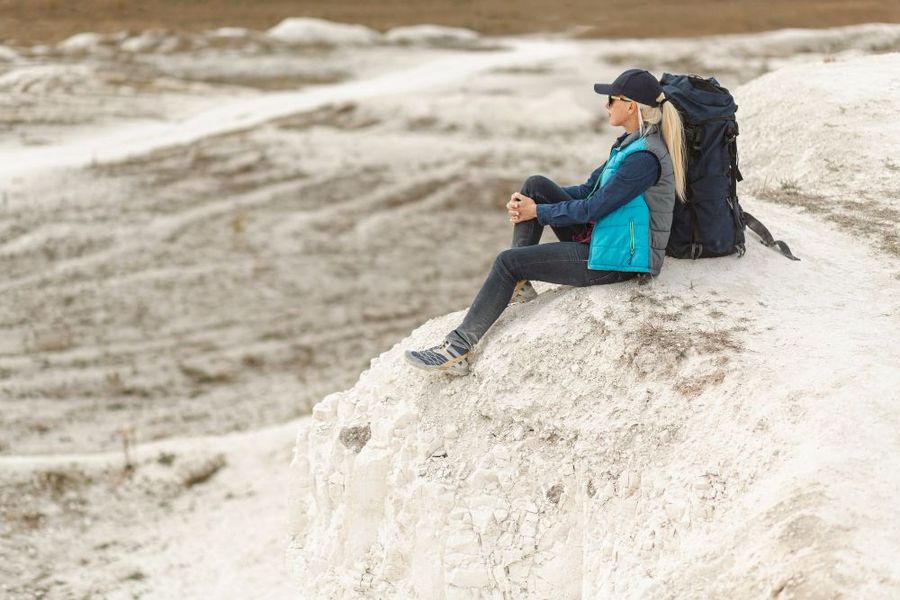
Packing for Ladakh requires a masterclass in layering to handle the biting dry cold and intense high-altitude sun. Essential items include thermal base layers, a heavy down jacket, and UV-protection sunglasses. Don't forget high-SPF sunscreen and lip balm to combat the harsh rays and arid air. Dressing like an onion allows you to peel back layers as the mountain sun peaks, keeping you comfortable from dawn until the freezing starlit night.

A slower Ladakh trip works better for the body and the mind. Staying longer in fewer places, packing light, eating simply, and allowing time for acclimatisation creates calmer days and better experiences. When the pace eases, Ladakh begins to feel lived-in rather than rushed.
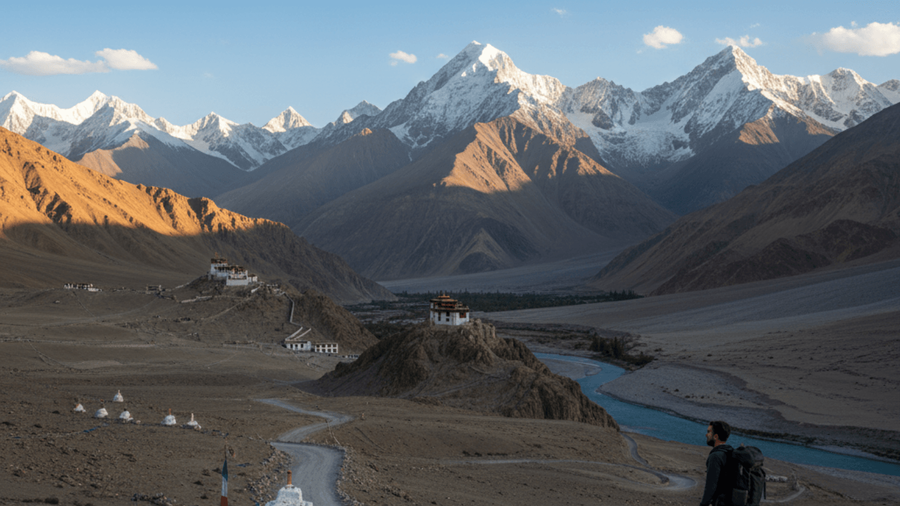
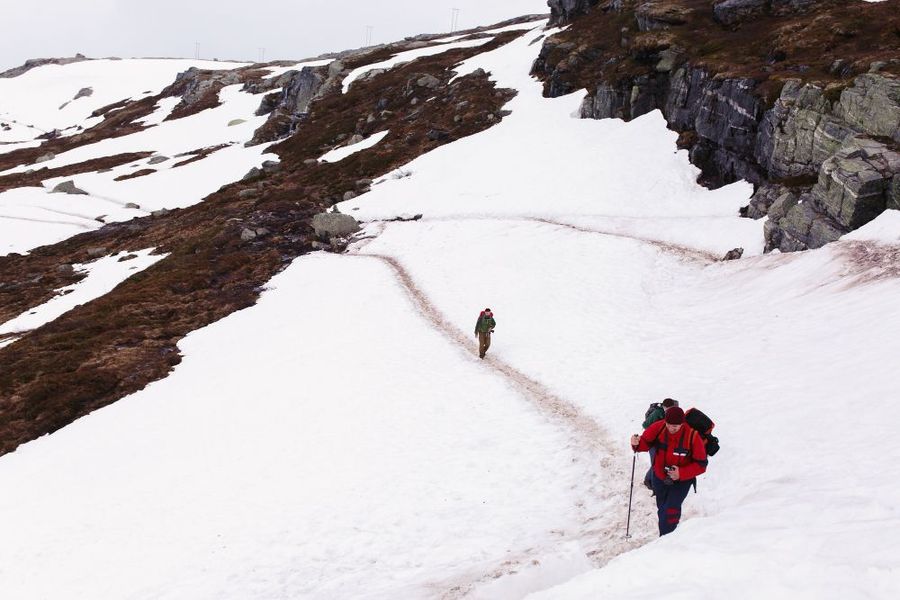
Forget the cozy "Instagrammable" winter dreams; Ladakh in winter is a test of grit. The best way to experience it is through "ice-immersion" trekking the frozen Zanskar River or staying in remote homestays with limited heat. It’s raw, bone-chilling, and silent, offering a brutal but honest connection to the land that romance simply can’t capture.

Ladakh rewards travellers who give it time. Altitude needs adjustment, roads take longer than expected, and places like Pangong, Nubra, and Hanle feel richer with overnight stays. Slower travel also supports local homes, reduces travel strain, and fits Ladakh’s seasonal rhythm better.

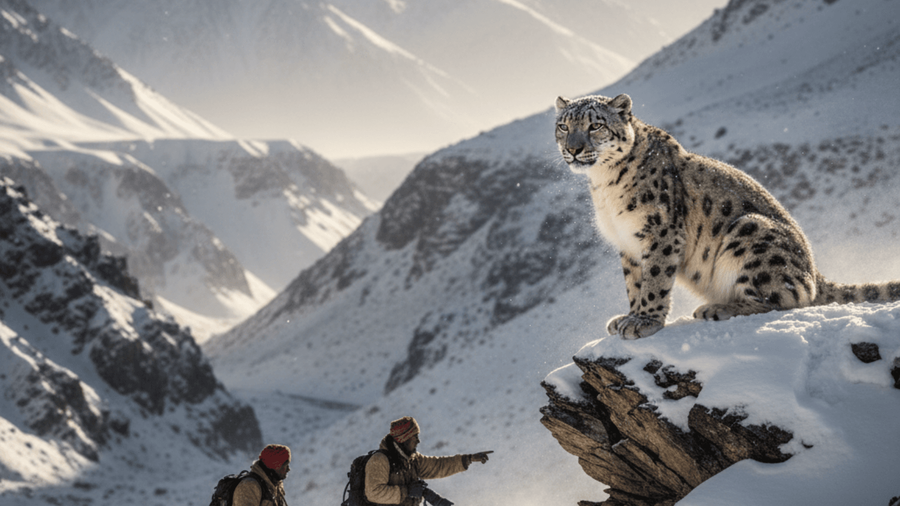
Snow leopard expeditions in Ladakh begin from Leh, with trackers guiding travellers into valleys like Rumbak and Markha inside Hemis National Park. Sightings usually happen during early morning scans of sunlit ridges. Travellers stay in village homestays near core zones and rely on flights from Delhi, layered clothing, and optics to improve sighting.

Heading to Leh Ladakh? Don't pack until you read this. Discover the complete Leh Ladakh packing list with expert tips on clothing, medicines, gadgets, documents, and must-have essentials for a safe and comfortable high-altitude adventure.
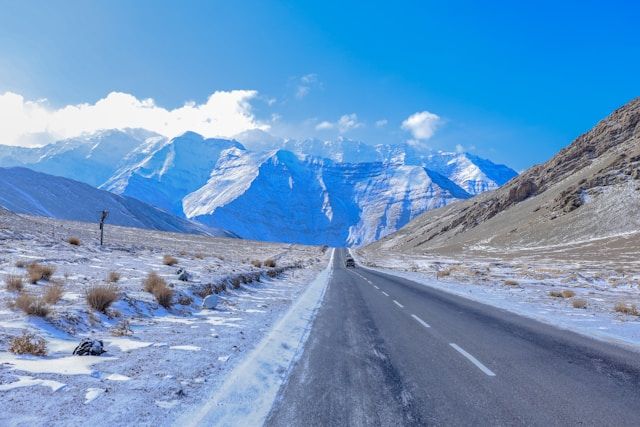
June to September is the primary season when all roads and passes are open. July-August is peak season with the warmest temperatures (15-25°C days, 5-10°C nights). June and September are shoulder months with fewer crowds. Winter (November-March) is extreme (-20°C) but offers the frozen Chadar Trek and snow-covered landscapes.
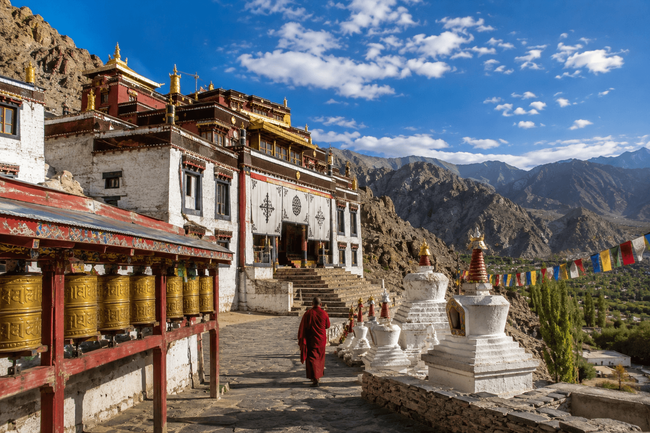
Indian nationals need Inner Line Permits for Nubra Valley, Pangong Tso, Tso Moriri, and other restricted areas easily obtained in Leh. Foreign nationals need the same permits (apply through registered tour operators or the DC Office in Leh). No permit needed for Leh town and nearby monasteries.
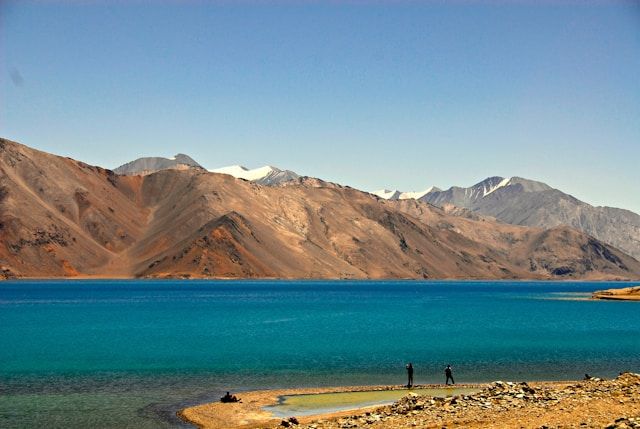
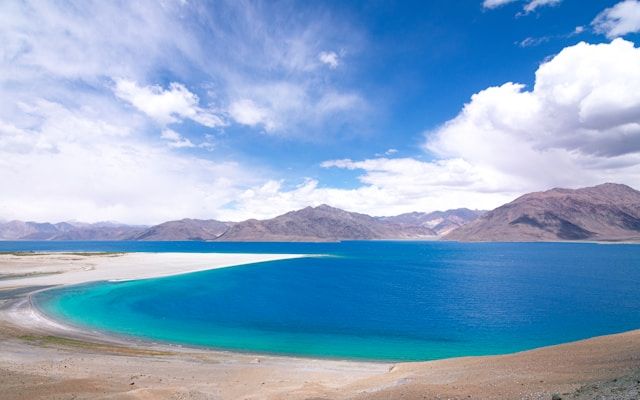
Leh is at 3,500 meters altitude sickness is a real concern. Spend the first 24-48 hours acclimatizing in Leh rest, drink lots of water, avoid alcohol, and don't exert yourself. Diamox (prophylactic) helps some people. Don't fly to Leh and immediately drive to Pangong (4,350m) acclimatize first.
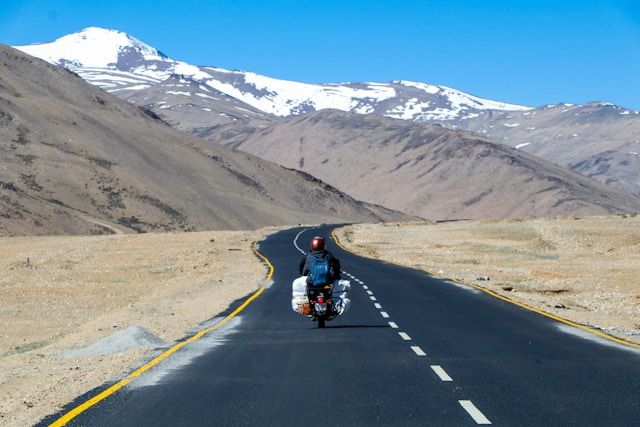
Flying (Delhi to Leh, 1.5 hours) is quickest but requires extra acclimatization time. The Manali-Leh Highway (474 km, 2 days) is one of the world's greatest road trips, crossing five passes above 4,000m. The Srinagar-Leh Road (434 km, 2 days) via Zoji La is equally spectacular. Driving allows gradual altitude adjustment.
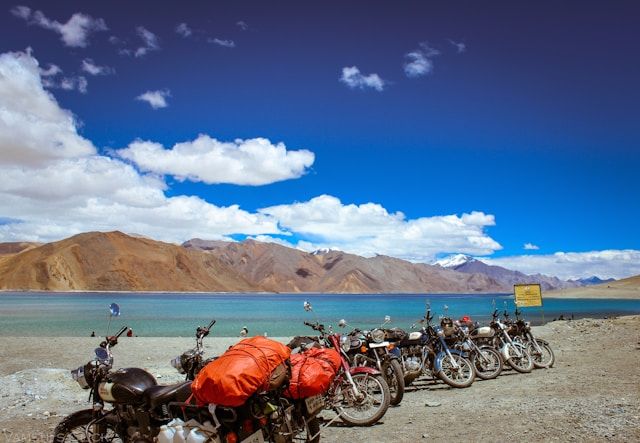
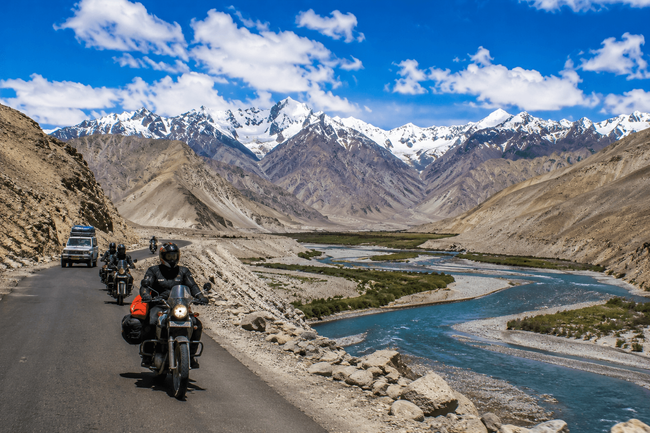
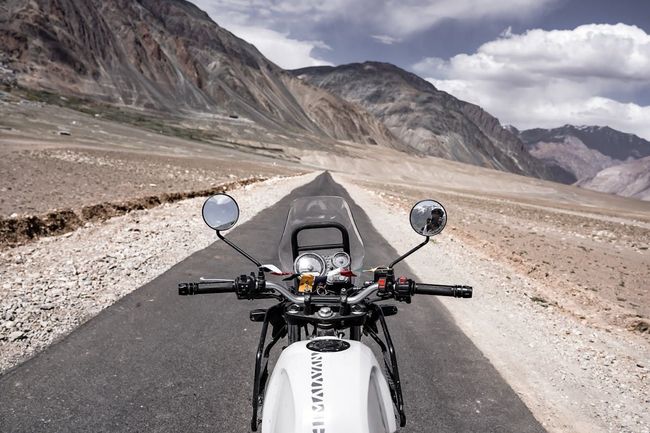
Yes, but a sturdy SUV is essential (Mahindra Thar, Toyota Fortuner, etc.). Roads to Pangong, Nubra, and Khardung La are rough and unpaved in sections. Fuel stations are scarce outside Leh carry extra fuel. Many travelers rent Royal Enfield motorcycles for the ultimate Ladakh experience.
Join the discussion with real travelers. Ask questions, share insights, and get the most out of your next adventure.
7 days