
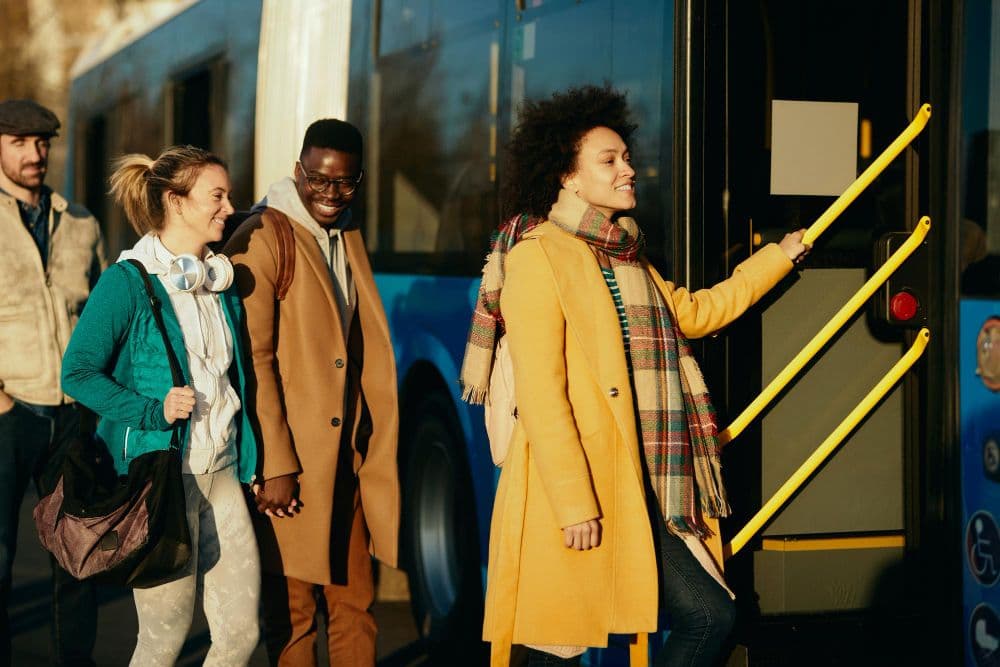
Public transport in Mumbai changes character during festivals. The city does not simply get crowded; it tightens, swells, pulses. You feel it before you see it. Louder voices at bus stops. Longer shadows at station footbridges. A certain shuffle in the crowd that regulars recognise instantly. Festival days test everyone, especially travelers who think movement works on logic alone.
Reading the crowd before reading the signboards
Seasoned commuters watch the crowd first. They look at the gaps between people, not the timetable. If a station platform is humming but not surging, the next train is manageable. If the hum turns into a push, they step back and let two trains pass. That is the first rule of using the best public transport in Mumbai during festivals. You learn to move like water, not stone.
The most popular means of public transport in Mumbai is the local train, but during holidays, it becomes something else entirely. People flow into compartments with practiced precision. You hear the call of vendors before you even reach the stairs. The smell of incense from nearby pandals mixes with fried snacks from the stalls below. It feels chaotic, but there is a rhythm holding everything together.
Knowing which transport works when
Festival days shift the balance of all types of public transport in Mumbai. Buses become lifelines when trains are overcrowded. BEST drivers read the streets the way forest guards read faint tracks. They avoid lanes thick with festival processions. They slide through back roads when the main arteries clog up with drumbeats and dancing.
Taxis and rickshaws appear and vanish depending on the hour. Early morning, they wait in clusters near stations. By evening, they disappear into festival crowds where foot traffic swallows entire lanes. This is why the question of public transport in Mumbai is never really asked. There is always transport. The city just rearranges it.

Using local rules to stay ahead of the surge
How to use public transport in Mumbai on regular days is simple. Festival days demand instinct. Mumbaikars scan faces before scanning apps. One glance at a line outside the ticket counter tells you if you should switch from train to bus. The bus conductors signal with eyebrows whether a ride will be breathable or packed to the roof.
People who stand in the wrong place get swept aside. Those who stand at the right corner of the platform catch the compartment where the rush softens for a moment. You learn to board diagonally, step lightly, and stay alert. The unspoken rules become your guide.
When the city tightens and loosens
Ganesh Chaturthi, Navratri, Eid, Diwali, Christmas, you can feel each festival altering the movement of the city. Trains slow near crowded stations where processions spill onto the tracks. Buses pause longer at certain stops. Some roads close without warning. All this is normal. The key is to move with the city, not fight it.
Even the air changes. Drums echo under flyovers. Flower petals scatter across pavements. Policemen guide crowds with hand signals more than words. In these moments, public transport becomes less about vehicles and more about reading the living pulse of Mumbai.
Traveling without losing your calm
Festival traffic can stretch your patience, but the city rewards those who stay observant. Stand close to groups of daily commuters. Follow the aunties who know which bus will bypass the loudest procession. Watch how office workers angle their bodies to slip into a half-full coach while tourists freeze at the sight of the crowd.
Mumbai does not slow down for festivals. It bends. It shifts. It creates temporary shortcuts known only to those who pay attention. And once you understand its signs, moving through the noise becomes less exhausting and almost hypnotic.
Navigating public transport in Mumbai on festival days becomes easier when your stay is sorted near major routes, and booking your accommodation through Neomaxer keeps you close to the city’s movement so you can experience the celebrations without getting lost in them.









