
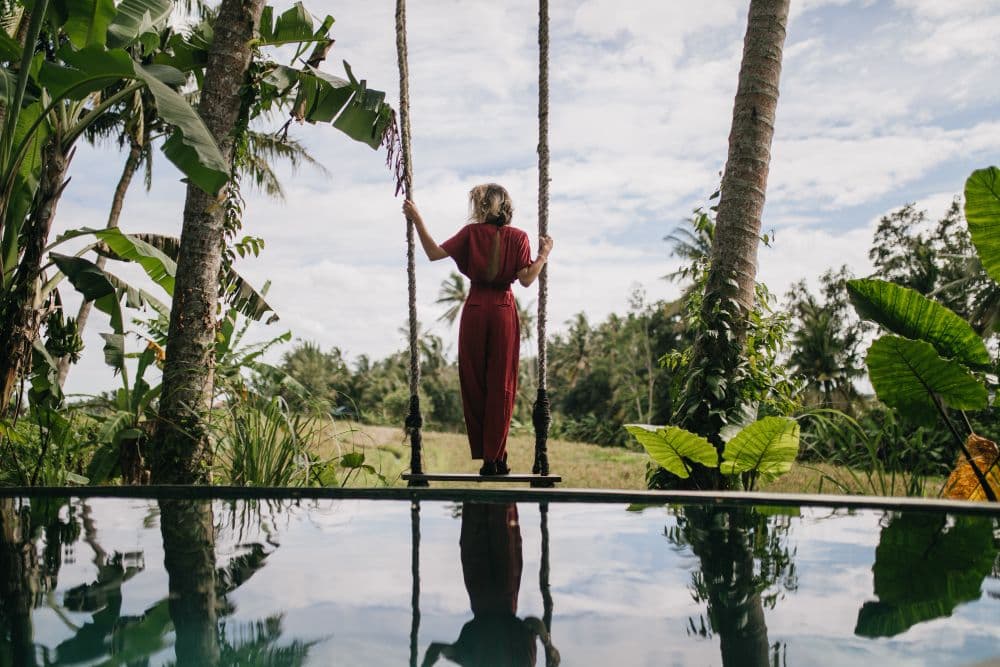
Rain on corrugated roofs, scooter horns softened by distance, the smell of grilling pork before sunrise, this is how Thailand introduces itself when you are not inside a lobby.
Reading a country in small streets, not hotel lobbies
The first real exchange often is not a tour briefing; it is coins and small notes slid into a plastic tray. That is where Thailand currency becomes more than rates on an app.
You see ten-baht coins for iced tea in a plastic bag. You pay twenty for sticky rice and grilled meat, forty for a short motorbike ride. The numbers repeat until they stop being math and start being instinct.
Here, Thai people are measuring you quietly too. How do you stand in line at the noodle cart? Whether you wait clumsily but sincerely. If you step to the side when a monk passes in the market lane.
Bangkok beyond rooftop bars
Morning routines on side sois
In Bangkok, the real list of things to do in Thailand begins under flyovers and along narrow sois.
At six in the morning, office workers line up at carts, plastic stools appear, and cats patrol the edges of tables. A bowl of soup, a strong coffee, and a bag of cut fruit can be a whole first hour, with no sightseeing attached.
Walk long enough, and you notice the rhythm. Food, work, prayer, rest. Temples half hidden behind power lines. Fitness groups in public parks where music from old speakers carries better than any advertisement for Thailand tourism.
Evening on the river instead of in a bar
Later, ferries on the Chao Phraya move like patient animals. You can ride them just to feel the city stretch and contract along the banks.
No dress codes, no cover charge. Just wind, temple silhouettes, and the knowledge that this is how commuters have been seeing Bangkok long before sky bars learned to sell the view.
Smaller towns that hold their own pace
Away from the resort circuits, provincial towns keep their own weather. Lampang with its horse carts and slow river. Ubon Ratchathani has candle festivals and wide, flat streets. Trang, where the morning market is louder than any beach.
In these places, Thai people do not switch into performance mode when you arrive. They keep bargaining for vegetables, feeding stray dogs, and sweeping temple courtyards. You become part of the scene only if you are willing to sit still.
Your list of things to do in Thailand changes shape:
- One temple, revisited at different times of day
- A single market, walked slowly over three mornings
- A riverside bench that becomes a daily appointment
No package promises this, because it cannot be guaranteed on a timetable.

Islands without itineraries
Even the islands have back roads where the resort buses do not linger. On Ko Yao Noi, rubber trees stand in quiet lines. On Ko Jum, laundry flaps outside simple guesthouses, and kids cycle to school barefoot.
You learn to read the sea by watching longtail captains, not brochures. If they are reluctant to go out, you stay back on shore. If they start engines calmly, you know the water is safe enough for you, too.
Beach days become:
- A hammock in the shade while fishermen repair nets nearby
- Fried rice from a family shack instead of a beach club menu
- A sunset shared with a handful of locals who did not pay to be there
Using money the way locals do
The easiest way to leave resorts behind is to start spending like the people who live here. That is when Thailand currency stops vanishing in big notes and starts moving in quiet, predictable trickles.
You see patterns:
- Breakfast rarely costs more than a bus ride
- Temple donations are small, steady gestures, not grand displays
- Markets sell full meals at the price of one hotel drink
You still pay more where you must, but you stop mistaking high prices for quality and low prices for risk.
Let tourism stay in the background
Official Thailand tourism campaigns talk about islands, elephants, full moon parties, and malls. All of this exists, loud and bright. But there are also backstreets where nobody is performing for your camera.
Finding Thailand beyond resorts is mostly about choosing to stay where package vans are rare and walking at hours when nobody is selling you anything. You follow the signs locals use laundry hours, school runs, market closing times, and let that shape your days instead of a brochure.
If that is how you want Thailand to feel under your feet this year, keep reading the slower stories on this blog and match that quieter way of moving with a place you will be glad to return to each night by booking your stay via Neomaxer for this holiday so your room belongs to the same unhurried version of the country you came looking for!









