
The first kettle of chai on the Shilpgram grounds starts boiling before sunrise, mist curling around its spout, and that is how regulars know Taj Mahotsav has begun even before any gate officially opens.
Knowing when the festival really starts
Agra does not need posters to remember its own calendar. The Taj Mahotsav date is etched into muscle memory as late February, when winter has loosened but the afternoons can still bite with light rather than heat.
For Taj Mahotsav 2026, expect the familiar rhythm: around ten days of crafts, performances and food anchored between the Taj’s quieter winter mornings and the first hint of Holi colour on the streets. Auto drivers begin quoting festival traffic times instead of minutes. School groups start appearing at the entrance with teachers counting heads in twos and threes.
You read the signs in the lanes near the East Gate. Extra fairy lights strung outside mithai shops. Trucks unloading wooden crates stamped with town names from across India. The city tightens around this seasonal centre like rings around a tree.
The craft streets under canvas
Inside, the first impression is not sound but texture. Coarse durries thrown over earth. Rough bamboo poles holding up bright fabric roofs. Heavy wood under your palm when you test the weight of a carved box.
Tents at Taj Mahotsav are more like temporary homes than stalls. Artisans unpack not only goods but tools, stools, and small stoves. You can watch:
- Marble inlay artists from Agra, shaving tiny petals of semi-precious stone
- Weavers from Banaras feed gold thread through silent looms
- Potters from Khurja rolling clay into shape with the same calm as a morning aarti
- Zardozi workers from Lucknow bending close to the cloth until their eyes water
Nothing is rushed. If you ask how long something took to make, the answer arrives in seasons, not hours.
Food that tastes of smoke and patience
Follow the smell of ghee and coal, and you reach the food stretch, where Mughal era indulgence survives in steel plates and clay cups rather than royal platters.
This is where you find:
- Kebabs folded into paper-thin rumali rotis, fat dripping through your fingers
- Biryani sealed in handi pots, opened only when the rice has taken every bit of spice
- Jalebis tumbling into syrup, eaten too quickly to cool
- Petha in variations you did not know existed, flavoured with rose, saffron, even paan
Here, recipes are older than some of the trees lining the Yamuna. Cooks work from instinct, not measuring spoons, and the line between festival food and everyday survival is thin.

Evenings when the ground becomes a stage
Once the sun slips behind the Taj, yellow bulbs and fairy lights take over, and the performance area pulls people like a tide.
You will not find a glossy Taj Mahotsav 2026 program list in everyone’s hand. The schedule is spoken, passed from stagehand to chai stall to visitor. Yet a pattern holds:
- Classical music early, when elders still have the energy to listen in silence
- Folk dances and drama when families arrive after dinner, children leaning against their parents
- Sufi or qawwali nights when the crowd sways rather than claps, the lyrics floating into the dark
The ground vibrates under sitar strings and dholaks alike. Somewhere beyond, the marble dome listens without comment.
Standing between monument and mela
One of the quiet gifts of taj mahotsav 2026 will be the way it lets you hold two centuries in one day. Morning in white stone, evening in coloured tents.
You might:
- Watch first light turn the Taj from blue to ivory in the stillness of early entry
- Return to your room for rest during the hard afternoon glare
- Walk to Shilpgram in the soft hour before sunset, lanterns switching on one by one
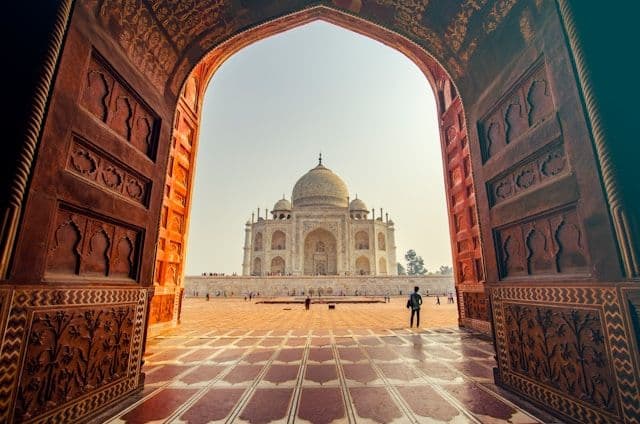
At a certain point inside the festival, you look up and catch the Taj framed between pavilions, distant and almost unreal. It feels less like a postcard and more like a neighbour.
Planning a February day around Taj Mahotsav
A slow, full day could unfold as:
- Early: Taj Mahal visit while the air is thin and queues are short
- Late morning: Agra Fort or Mehtab Bagh, places that hold the river and history both
- Afternoon: Rest, tea, perhaps a quick stop at a rooftop café watching traffic tilt toward the festival
- Evening: Walk into Taj Mahotsav, eat lightly at first, then let performances and late snacks decide how long you stay
If that is the way you imagine Taj Mahotsav for yourself in 2026 standing on shared ground between marble and dust, craft and music, past and present let the details on this blog guide which February dates you choose and book your stay via Neomaxer for this holiday so you can step out of the festival glow each night into a room close enough for one last glimpse of the dome before sleep.









