
My wife and I planned our Agumbe trip because we wanted a break that felt slower, quieter, and a little less predictable than the usual weekend getaway. We were not in the mood for crowded cafes, packed itineraries, or one more rushed “cover everything in 24 hours” type of trip. We wanted greenery, rain, long drives, decent food, peaceful mornings, and enough silence to actually feel disconnected from routine for a couple of days.
Agumbe kept appearing while we were searching for places in the Western Ghats. Every article and video described it differently. Some talked about endless rain and misty roads. Some mentioned dense forests and hidden waterfalls. Others immediately brought up king cobras, which honestly made the place sound both exciting and slightly intimidating. That mix of beauty and unpredictability made us curious enough to start planning seriously.
The more we researched, the more we realized Agumbe is not the kind of destination where you just book a room at the last minute and show up casually. It is a small village wrapped in thick forest, where the weather changes quickly, roads become slippery during the monsoon, and phone networks disappear exactly when you want to check maps. Most stays are homestays, guesthouses, or nature-style glamping setups instead of large resorts. For us, that was honestly the charm of the place. It just meant we needed to plan a little smarter before heading out.
How We Planned The Trip
Our first discussion was simple: how many days would actually feel relaxing without turning the drive into the entire trip? Initially, we thought about doing a quick one-night escape, but the more we looked at the route and weather conditions, the more unrealistic that felt. Two nights seemed like the right balance.
We decided to split the stay between two different experiences. One comfortable homestay for the first night after the long drive, and one glamping stay for the second night, so the trip felt a little more immersive and memorable.
A colleague at work mentioned Neomaxer while I was discussing how we wanted something offbeat without spending days figuring out routes, practicalities, and whether places were actually manageable during heavy rain. He described it as useful for travelers who want flexibility without the typical overplanned package-tour experience. We checked it out mainly to simplify the planning process, and it genuinely helped us narrow things down without making the trip feel too structured.
Since we were starting from Bengaluru, we had the option of taking a cab arrangement as well. We considered it seriously because driving through wet ghat roads can get tiring. In the end, though, we chose our own car because we wanted the freedom to stop for tea, stretch breaks, random viewpoints, and unplanned pauses whenever we felt like it.
The stays were the first thing we finalized. We did not want to arrive in a rainy village by evening and start calling random places, hoping someone had availability. Neomaxer helped us shortlist both the homestay and the glamping setup, while also checking all the practical details travelers usually forget to ask about until it becomes a problem later. Food availability, parking, bathroom setup, road access during rain, and distance from the main road. Those small details mattered more in Agumbe than they normally would on a city trip.
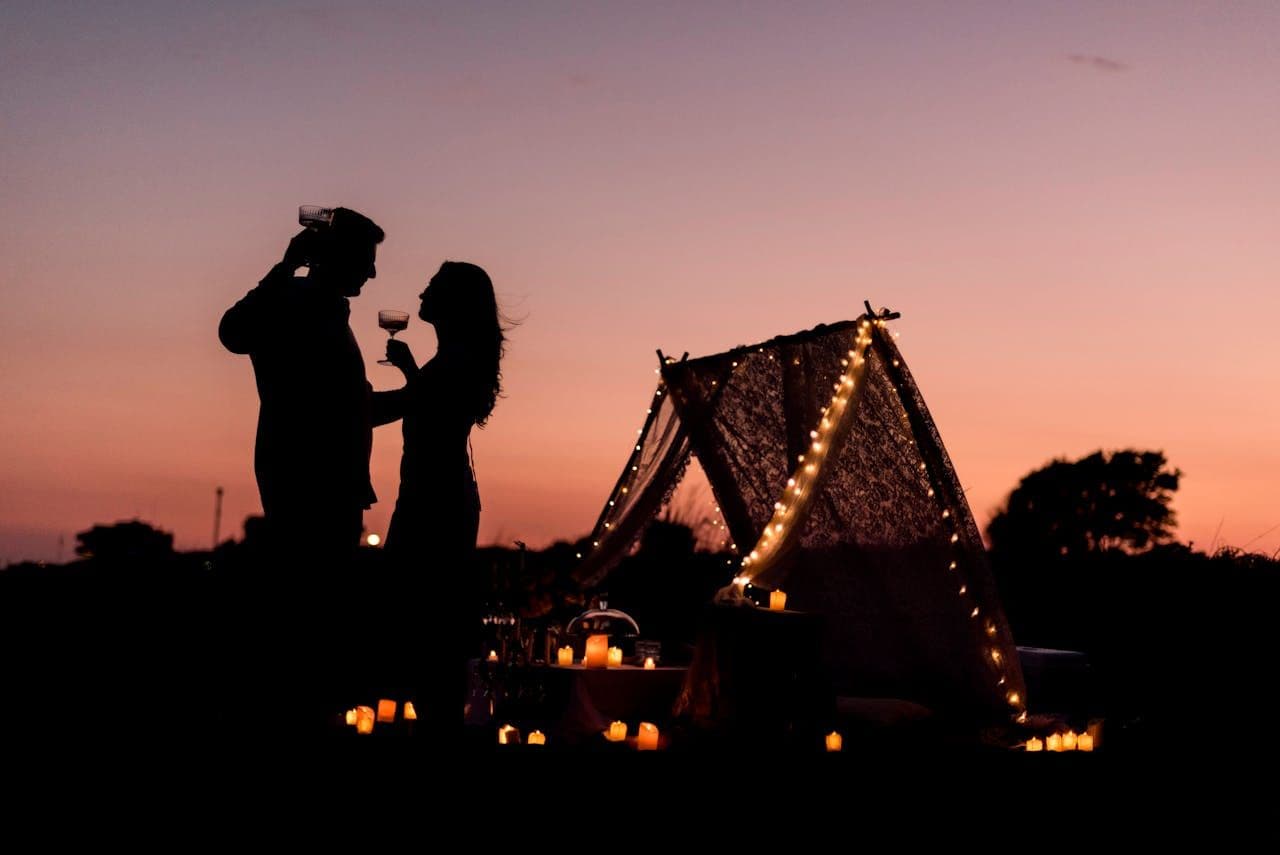
The glamping stay especially sounded interesting because it was not marketed like a luxury resort. It was a proper tent setup with a bed, lighting, basic facilities, and a small sit-out facing the greenery. That sounded exactly like the kind of experience we were looking for.
One thing that genuinely helped was the local advice we received before the trip. Carry rainwear. Carry extra socks. Keep a torch. Don’t expect a stable mobile network everywhere. Avoid driving too late if the roads are wet. It was basic information, but practical because it came from people familiar with the area instead of generic internet recommendations.
- We also kept our sightseeing expectations intentionally simple.
- Reach Agumbe safely before evening.
- Spend time around the village and nearby roads without rushing.
- Visit the sunset point and maybe a waterfall, depending on the rain.
- Spend one night glamping without turning the whole thing into a social media photo project.
We both agreed on one important thing early in the planning stage. We were not going to act adventurous just for the sake of it. No random late-evening walks into forest stretches. No unnecessary risks because somebody online posted dramatic photos from isolated trails. We wanted the trip to feel peaceful, not stressful.

What We Packed
Normally we throw clothes into a bag half an hour before leaving and somehow make it work. This time we knew rain, mud, and damp weather were guaranteed, so we packed more thoughtfully.
We carried rain jackets, an umbrella, quick-dry clothes, extra socks, old walking shoes, slippers, mosquito repellent, medicines, power banks, torches, snacks, and ziplock bags for phones and wallets. The ziplock bags turned out to be one of the smartest decisions because rain arrived suddenly several times during the trip.
The old shoes were another good decision. Agumbe during the rainy season is not the place for brand-new white sneakers. Even when it is not actively raining, everything still feels damp. Roads, pathways, homestay entrances, steps near waterfalls, all of it stays wet and muddy.
We also packed biscuits, peanuts, and energy bars for the drive. Not because food was unavailable, but because weather delays and winding roads can easily shift your schedule. Sometimes having a small snack in the car is the difference between enjoying the drive and getting irritated at each other for no reason.
One thing we underestimated was shoe grip. Our shoes were comfortable but not great on slippery surfaces. If we visit again, proper trekking or waterproof shoes would definitely be worth carrying.
The Drive To Agumbe
We left Bengaluru early because neither of us wanted to handle unfamiliar ghat roads after dark. The first few hours felt like any other road trip. Highway traffic, toll plazas, tea stops, and repeated conversations about whether we forgot something important at home. Thankfully my wife had packed most things properly, so the answer was mostly no.
As we moved closer to the Western Ghats, the entire mood of the drive changed. The air became colder. Roads started curving through thick greenery. Mist floated low between trees in certain stretches, and some turns opened into views that automatically made us slow down even without planning to stop.
The ghat roads were beautiful, but they demanded attention. Wet bends, reduced visibility, and slippery patches meant we drove carefully instead of rushing. We saw several people stopping suddenly for photographs at unsafe corners, but we avoided doing that. In places like this, it is better to enjoy the view without creating unnecessary risks for yourself or others.
At one point, rain arrived without any warning at all. No dramatic clouds. No buildup. One moment the road was dry, and the next it looked freshly polished by rainwater. That became our first real reminder that Agumbe weather changes quickly and does not wait for your plans.
When we finally reached the village, the first thing that stood out was how quiet everything felt. Agumbe did not resemble a busy tourist town. There were tiled-roof houses, small shops, trees everywhere, and people simply going about their day. It felt less like a destination trying to entertain tourists and more like a real village where travelers occasionally passed through.
Reaching The Homestay
Our homestay was slightly away from the main road, surrounded by greenery and connected through a narrow approach lane that became muddy after rain. We parked slowly near the house and were welcomed by the owner’s family almost immediately.
The room itself was simple but exactly what we wanted. Clean bed, attached bathroom, basic furniture, and enough space to comfortably keep our bags. Nothing fancy, but warm and comfortable after a long drive.
The caretaker brought us hot tea, and honestly, that first cup while watching rain fall through the trees felt better than any expensive café stop during the drive. We sat quietly for a while without feeling the need to immediately “do something.” When we asked about nearby places, the caretaker gave practical advice instead of touristy exaggerations. Which roads get slippery, which waterfall routes were manageable, where to stop for tea, and when to return before visibility became poor. That local guidance helped us more than any blog we had read before the trip. He also casually warned us about leeches. At first we laughed, but from that moment onward both of us kept checking the ground every few minutes while walking around.

The Weather Was The First Surprise
One thing we quickly learned about Agumbe is that there is no point trying to predict the weather too seriously. It rained, stopped, brightened up, became misty again, and rained from another direction within the same hour. After some time, we simply accepted that our shoes would stay wet most of the trip and carried the umbrella everywhere without overthinking it.
Initially we kept trying to manage everything carefully. Open umbrella. Close umbrella. Rain jacket on. Rain jacket off. Wipe glasses. Protect phone. Dry hands. Repeat. Eventually we stopped fighting the weather and just adjusted to it.
Evening At The Sunset Point
That evening we headed to the famous Agumbe sunset point even though the sky looked unpredictable. Everyone we spoke to insisted the viewpoint was worth visiting regardless of whether the sunset was visible. They were right.
The viewpoint opened into layers of forest-covered hills disappearing into mist. The air felt cold and fresh, and clouds moved slowly across the valley below. For a few minutes we simply stood there quietly taking it all in.
There were other visitors around too. Families, bikers, photographers, couples quietly drinking tea near the railing. It felt lively without becoming noisy or chaotic.
We bought tea from a small roadside stall and waited while clouds shifted above the hills. At first nothing dramatic happened. Then suddenly the light changed for a few minutes. The sun never appeared completely, but the clouds brightened and the forest below looked darker and richer in color.
It was not a postcard-perfect sunset, yet somehow that made the moment feel more real. I still remember my wife quietly saying, “Even if this is all we see today, the drive was worth it.”
Dinner, Rain sounds And the First Quiet Night
Dinner at the homestay ended up becoming one of those unexpectedly comforting parts of the trip. Nothing about the meal was fancy or curated for tourists. We had rice, sambar, vegetables, rasam, pickle, and curd served fresh and hot after a long day of rain, driving, and walking around damp roads. Somehow, food tastes different in places like Agumbe. Maybe it is the weather, maybe it is the cold air, or maybe you are just genuinely hungry after spending the entire day outdoors. Either way, that simple meal felt perfect for the setting.
After dinner, we sat outside the homestay for a while with absolutely no agenda. The network was weak enough to make scrolling irritating, so after checking our phones a couple of times, we just gave up and kept them aside. That probably improved the evening more than anything else.
What stood out most during that first night in Agumbe was the soundscape. In cities, nights usually come with traffic, distant horns, television noise, or people talking somewhere nearby. Here, it was completely different. The loudest sounds around us were insects, frogs, dripping rainwater, and leaves shifting in the wind. At first, both of us kept trying to identify every unfamiliar sound like amateur wildlife experts. Eventually we stopped trying and simply listened to it all together.
We slept earlier than usual because there honestly was not much else to do, and surprisingly, that felt refreshing instead of boring.

Morning Walk Around The Village
The next morning, we woke up naturally before the alarm even rang. The weather was cool, the trees still looked wet from overnight rain, and the entire area around the homestay felt freshly washed. We had tea first and then decided to take a slow walk around the village before breakfast.
That short walk became one of my favorite memories from the trip because nothing about it was planned. We walked past moss-covered compound walls, small houses with tiled roofs, puddles reflecting the trees above, areca plantations, and sleepy dogs that looked at us briefly before losing interest completely.
People around the village were slowly beginning their day. Someone was sweeping the front yard of their house. A man passed carrying milk packets. School children walked by wearing raincoats and carrying bags almost bigger than themselves. In the morning light, Agumbe felt less like a tourist destination and more like a village simply following its normal rhythm while visitors quietly moved through it.
We stopped at a tiny roadside shop for another tea, and the shopkeeper casually asked where we had traveled from and how long we were staying. When we said two nights, he nodded and said that was better than rushing back the next morning. Looking back, he was absolutely right. One night would have made the trip feel incomplete.
The Leeches Were Not A Joke
The leech warning that initially sounded funny became useful pretty quickly on the second day.
We had stepped onto a damp patch near a trail, not even deep inside the forest, when my wife suddenly looked down and told me to check my shoe. There was a tiny leech slowly moving along the side. It was incredibly small, but both of us reacted like we had discovered something far more dramatic.
We immediately moved to a dry patch and started inspecting shoes and socks properly. A couple more were sitting near the edge of my wife’s shoe. The funniest part was how casually the locals reacted. One person nearby simply shrugged and said, “It happens during this season,” the same way someone in Bengaluru would talk about traffic jams. After that incident, we became far more careful about stepping into random grassy areas just because they looked scenic in photographs
Visiting A Waterfall
We wanted to visit at least one waterfall during the trip, but we also knew there was no point forcing plans if the weather became risky. After breakfast, we asked the caretaker which route made sense that day, and he suggested a nearby waterfall that was manageable if we drove carefully and returned before evening.
The drive itself felt like part of the experience. Narrow roads cut through thick greenery, rainwater flowed along the edges, and mist appeared between trees every few minutes.
We passed tiny streams, wet rocks, and stretches where the forest looked almost unreal in the rain.
Once we reached the waterfall area, we immediately realized how slippery everything was. We did not try to rush or act adventurous. We walked carefully, held hands across rough patches, and let faster people move ahead. Nature trips become much more enjoyable once you stop treating them like a competition.
The waterfall itself was powerful because of the rain. We stood at a safe distance for a long time just watching the water crash down while the sound echoed through the surroundings. It was loud enough that we barely spoke for several minutes. We took a few photographs before giving up because the phone screen kept getting covered in water anyway.
By the time we returned, our shoes were muddy, our clothes felt damp again, and both of us were extremely hungry. Somehow, that always feels like proof of a good day outdoors
Moving To The Glamping Stay
After cleaning up a little at the homestay, we packed our bags and drove toward the glamping property for our second night. It was not very far away, but the narrow rain-soaked roads naturally slowed everything down.
The tent looked exactly how we hoped it would. Simple, practical, and close enough to nature without trying too hard to feel luxurious. It was built on a raised platform with a proper bed inside, lighting, a small table, and a sit-out area facing the greenery. The bathroom setup was basic but clean. The canvas carried that slightly damp smell that rainy forest stays always seem to have.
The first thing I did after entering was inspect the tent properly. I checked the zippers, corners, and openings like I was reviewing a hotel room professionally. My wife laughed at me initially, but once it got darker outside, she also started checking whether the zip was properly closed.
The staff gave us a few simple instructions before evening. Don’t leave food open. Carry a torch if stepping outside after dark. Avoid wandering around casually at night. None of it felt alarming. It was just practical advice for staying beside a forest during the monsoon.

Our Glamping Night
The glamping experience felt completely different from the homestay stay. At the homestay, we felt sheltered and comfortable inside somebody’s home. Inside the tent, we felt much more connected to the weather around us. Not unsafe, just more aware of every sound outside.
After dinner, we sat outside the tent with tea while light rain tapped against the canvas roof every few minutes. The chairs were slightly damp, insects circled around the lights, frogs called from somewhere nearby, and the entire place felt alive without being noisy.
One thing we both noticed was how amplified small sounds became inside a tent. A leaf brushing against the side suddenly sounded dramatic. Light rain felt louder than expected. At one point, something touched the outer canvas and both of us immediately stopped talking. It was probably a branch or an insect, but inside a tent your imagination reacts much faster than logic does.
Sleeping there was comfortable, but obviously different from a normal room. The damp air, rain sounds, and occasional forest noises never fully disappeared. I kept the torch and phone close beside the bed. My wife repeatedly asked if I had locked the car even after I answered yes multiple times.
Still, we genuinely enjoyed it. The glamping stay added a completely different memory to the trip. The homestay gave us warmth and comfort after the drive. The tent gave us a story we still ended up talking about long after returning home.
Small Things We Noticed
Agumbe made us realize the joy of little things. Since there is no giant attraction every few kilometers demanding your attention, you naturally start observing smaller details around you. And honestly, those details became some of our favorite memories from the trip.
We noticed tiny mushrooms growing on old wet wood beside pathways. We watched mist move through the trees so quickly that entire stretches of forest would disappear and reappear within minutes. Frogs sat beside puddles like they owned the road, and some insects were so bright in color they almost looked unreal against all the green around them.
One thing we learned very quickly was that nothing in Agumbe should be trusted just because it looks stable. A perfectly normal-looking stone could suddenly become slippery because of moss or rainwater. My wife nearly slipped once near a step that looked completely harmless, and after that we automatically became suspicious of every surface that looked even slightly green.
Another thing that stayed with me was the smell. People often describe destinations with phrases like “the smell of wet earth,” and usually it sounds exaggerated in travel articles. In Agumbe though, it is genuinely one of the first things you notice. The air constantly feels damp and earthy. Leaves, rainwater, mud, wood, everything carries that fresh forest smell after rain. Even your clothes and towels remind you quickly that nothing fully dries there.
We also liked how casually locals spoke about wildlife. Nobody tried to make the forests sound terrifying, but nobody treated nature like a theme park either. When we asked about snakes, the advice was simple and practical. Stay on proper paths. Don’t step carelessly into thick vegetation. Use a torch at night. Don’t disturb anything. That calm attitude somehow made the place feel more real and less dramatic.

The Unexpected Battle With Wet Clothes
One thing we completely underestimated during the trip was how difficult it would be to dry clothes. We genuinely assumed that if something got wet, we could simply hang it overnight and use it again the next morning. Agumbe had other plans.
The air itself felt permanently damp. Our socks stayed wet for much longer than expected, towels refused to dry properly, and even clothes that looked dry somehow still felt cold and slightly damp when we touched them. Thankfully, we had packed extra clothes, so it never became a serious issue, but it slowly turned into an ongoing joke between us.
Every few hours, one of us would randomly check the hanging socks and say, “Still wet.” By the end of the trip, those socks had somehow become part of the overall Agumbe experience.
If I planned the trip again, I would definitely carry more socks and a proper waterproof bag for wet clothes. That sounds like such a small detail until you actually spend two days surrounded by nonstop rain and humidity.
Food, Tea, And the Luxury of Slow Time
Food was not the highlight in a fancy sense, but it was one of the most comforting parts of the trip. Hot meals after rain feel different. Even basic rice, rasam, vegetables, and tea somehow felt deeply satisfying because we were genuinely hungry and tired from being outdoors
We had tea several times a day. Some cups were at the homestay, some at small stalls. None of them were special in a cafe-review way, but they fit the trip perfectly.
The best part though was not the food itself. It was the pace around it. We were not rushing from one sightseeing point to another. We had time to sit after breakfast. Time to wait and see if the rain would reduce before stepping out. Time to talk without checking maps, bookings, schedules, or notifications every few minutes.
For us as a couple, that was the main value of the trip. It was not just the location. It was the pace.
What We Chose Not To Do
We did not try to cover every famous place around Agumbe. We did not do a serious trek. We did not go looking for wildlife. We did not walk into forest areas just because someone online had posted a beautiful photo from there.
Surprisingly, doing less made the trip feel better, not smaller. Agumbe feels like one of those destinations where forcing a packed itinerary only increases stress. If you try squeezing too much into two rainy days, you mostly end up dealing with wet clothes, muddy roads, and constant plan changes.
We had already decided before arriving that if weather disrupted something, we would not treat it like a failed plan. That mindset helped a lot. When one route looked too slippery, we skipped it. When clouds blocked the sunset, we still enjoyed the viewpoint. When clothes refused to dry, we laughed about it instead of getting irritated.
What We Would Pack Next Time
If we visit Agumbe again, there are definitely a few things I would pack more carefully. Better walking shoes with proper grip would be first on the list. I would also carry extra socks, quick-dry towels, a lightweight waterproof backpack, and probably a separate bag for wet clothes.
A small first-aid kit would also help. Things like band-aids, antiseptic cream, ORS packets, motion sickness tablets for ghat roads, and basic medicines are worth carrying because shops may not always be nearby when you actually need something.
I would still keep the luggage light. You do not need stylish clothes for Agumbe. You need clothes that can handle rain, mud, and damp rooms.
What We Would Plan Differently
Two nights worked well, especially because we split it between a homestay and glamping. But three would have been better. With three nights, we could have spent one day doing almost nothing, one day visiting a waterfall, and one day exploring slowly without thinking about the return drive.
I would also ask Neomaxer for current road conditions, food timing, parking, and rain updates one day before leaving. In places like Agumbe, local information is more useful than old online reviews.
I would avoid reaching after dark. The roads are manageable, but wet ghat roads, low visibility, and unfamiliar turns are not worth the stress.

The Part We Liked Most
When we looked back on the trip, the best part was not one specific waterfall or viewpoint. It was the feeling of being in a place where the day moved according to rain, light, food, and how tired we felt.
One moment that stayed with me was from the second evening at the glamping stay. It had rained for almost an hour. We were sitting outside the tent with tea, and both of us were quiet. Not bored, not tired, just quiet. The trees were dripping, the ground was wet, and there was nothing urgent to discuss.
That is rare in normal life. Usually, even when we are together, another task is waiting. A bill, a message, a meeting, a delivery, a plan. In Agumbe, for a short time, there was no next thing.
We talked about that moment again on the drive back.
Would We Visit Agumbe Again?
Yes, but we would go with the same mindset. Agumbe is not a place where I would plan ten things in two days. The weather changed constantly, our clothes stayed damp, leeches appeared on our shoes, and a couple of plans depended on what people there said that morning. That was part of the trip.
The glamping stay made the trip more memorable because it felt close enough to nature to feel different while still being comfortable enough to actually enjoy. The homestay gave us warmth and comfort after the drive. The tent gave us the stories we kept repeating long after the trip ended.
If I ever recommend Agumbe to someone, I would say this. Keep your plans flexible. Carry proper rain gear. Never underestimate the importance of extra socks. Listen to locals when they warn you about roads or weather. And most importantly, don’t expect a perfectly polished resort-style holiday. Go there because you are comfortable with rain, muddy shoes, hot tea, forest sounds, and days that move more slowly than usual.










