
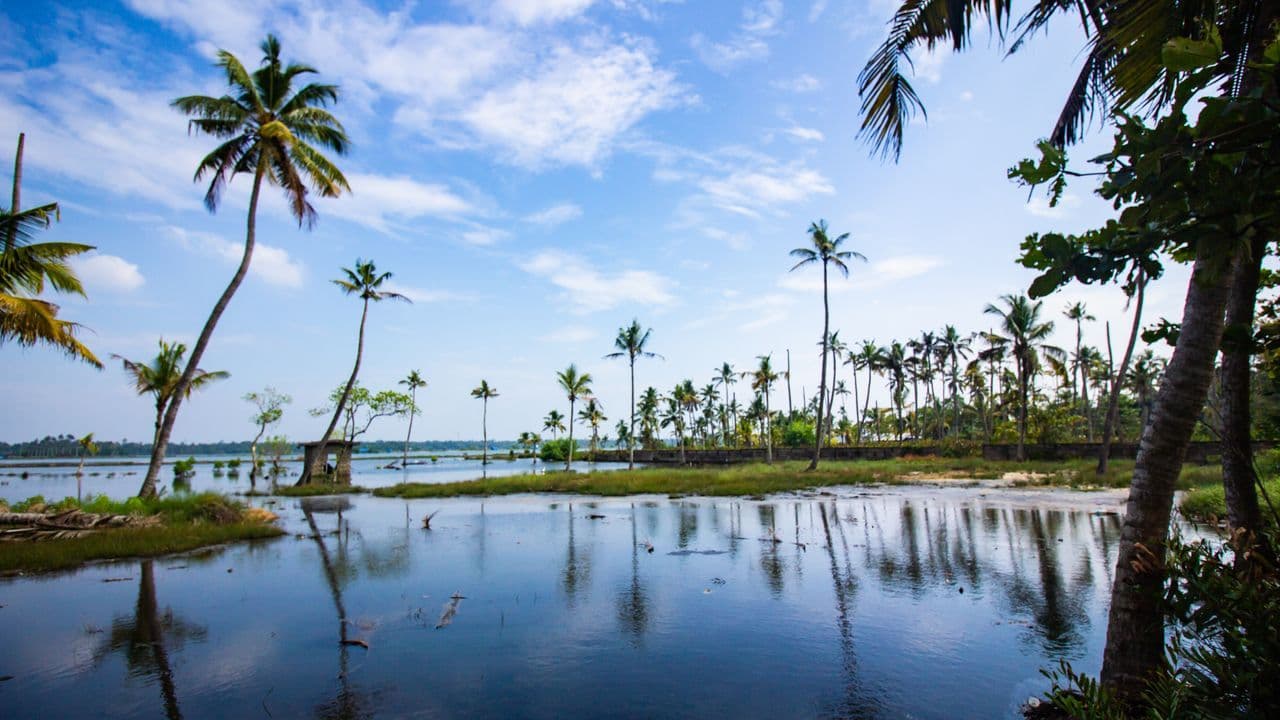
Warm, spice-scented breezes drift across the shimmering emerald backwaters, carrying the gentle whispers of the Arabian Sea directly into the quiet, mist-wrapped valleys of the Western Ghats. This tropical paradise of southwestern India demands your absolute attention, and this ultimate Kerala Trip Guide reveals the raw, romantic secrets of this coastal wonderland. Whether you seek the soothing silence of slow-moving houseboats or the thrilling wilderness of mountain spice plantations, you must prepare for a journey that forever redefines your concept of peace.

Designing Your Perfect Kerala Trip Planner Reviews and Strategies
A successful journey through this coastal paradise requires careful timing and route selection to ensure you capture the true essence of its diverse landscapes. Checking Kerala trip planner reviews shows that travelers achieve the happiest memories when they combine the misty mountain heights of Munnar with the watery labyrinths of Alleppey.
Choosing the right transport flow keeps your vacation relaxing and minimizes transit fatigue. You must decide whether to travel from north to south, descending from the cool mountain peaks into the warm sea-level delta, or to follow the coastline to discover quiet fishing harbors and ancient ports.
The Trans-Kerala Route Selection
You must choose your route path based on your available time and travel desires.
- The Classic Foothill Route: This pathway guides you smoothly from Cochin to the tea estates of Munnar, down through the cardamom forests of Thekkady, and directly into the quiet waters of Alleppey.
- The Deep Coastal Route: This scenic trail hugs the Arabian Sea shoreline, linking Cochin to the dramatic cliffs of Varkala Beach and the historic, surf-swept bays of Kovalam.

Iconic Destinations of Kerala and Their Unique Specialties
Every region in Kerala offers a distinct sensory escape. These exceptional locations showcase the diverse beauty of the state, ensuring a rich and rewarding travel experience.
Fort Cochin: A Living Tapestry of Global History
This historic port town carries the physical footprints of Portuguese, Dutch, British, and Chinese traders who sailed to these shores centuries ago. Kochi also serves as the cultural gateway to your tropical expedition, where giant trees shade cobblestone paths and salt-crusted harbor walls echo with maritime history.
- The Chinese Fishing Nets: These massive, cantilevered teak-and-bamboo structures line the beachfront, operating under the same gravity-balanced mechanism introduced by merchants from the court of Kublai Khan. Watch the local fishermen work in perfect harmony, raising and lowering the sweeping mesh nets into the shimmering harbor as the evening sun dips below the horizon.
- St. Francis Church: Built in 1503, this quiet stone sanctuary stands as the oldest European-built church in India and once served as the burial place of legendary explorer Vasco da Gama. The cool interior offers a peaceful respite from the coastal humidity, preserving historic headstones and hand-operated cloth fans.
- Kathakali Centers: Specialized theaters host evening performances of this classical dance-drama, where artists wear heavy, vibrant makeup and tell epic stories using dramatic facial expressions and hand gestures. Arrive an hour early to watch the actors meticulously apply natural mineral paints to their faces in absolute silence.
- The Jew Town Synagogue and Bazaars: Wander through the narrow lanes of Mattancherry to find the Pardesi Synagogue, adorned with hand-painted Chinese porcelain tiles and Belgian crystal chandeliers. The surrounding air smells of dry ginger, cardamom, and antique teakwood from the nearby spice warehouses.
Munnar: The Emerald Sanctuary of the Western Ghats
Perched at an altitude of 5,200 feet, this breathtaking hill station features endless valleys blanketed by neatly manicured tea plantations and wild mountain forests. The cool, crisp mountain air in Munnar immediately rejuvenates your senses, carrying the fragrance of wild eucalyptus and damp moss across the sprawling ridges.
- Eravikulam National Park: This high-altitude wildlife sanctuary protects the largest surviving population of the endangered Nilgiri Tahr, a stocky mountain goat that roams the misty grasslands. Walk along the paved mountain paths to see these gentle creatures grazing peacefully against the backdrop of towering peaks.
- Anamudi Peak: Standing tall at 8,842 feet, this towering granite mountain is the highest peak in South India and offers dramatic trekking opportunities. Dense shola forests cling to its lower slopes, harboring rare orchids and wild balsams that bloom in vibrant pinks and purples.
- Lakkam Waterfalls: Rushing mountain streams cascade down smooth rock faces, forming refreshing, crystal-clear pools surrounded by dense forest. Dip your feet into the icy water while watching the silver ferns dance in the spray of the falls.
- The Tea Museum and Estates: Learn the rich history of tea cultivation in the region, dating back to the pioneering efforts of Scottish planters. Step inside active processing factories to smell the rich, earthy aroma of fermenting tea leaves and taste fresh, single-origin broken orange pekoe.

Thekkady: The Cardamom-Scented Jungle Retreat
This rugged highland region serves as a major spice sanctuary, where wild animals live alongside vast, misty agricultural estates. The terrain features dense canopy forests, bamboo groves, and rolling hills that shelter some of India's most iconic wildlife.
- Periyar National Park: This protected tiger and elephant reserve centers around a massive, scenic artificial lake formed by the construction of the Mullaperiyar Dam. Board a double-decker boat at dawn to watch wild elephant herds bathe along the grassy banks while wild boars and sambar deer forage in the undergrowth.
- Spice Gardens: Local families manage dense, fragrant farms where cardamom, black pepper, cinnamon, vanilla, and clove plants thrive under the shade of giant jackfruit and rosewood trees. A local guide will show you how black pepper vines climb tall palms, and how raw nutmeg fruits split open to reveal crimson-colored mace.
- Kalaripayattu Centers: Local arenas present daily demonstrations of Kalaripayattu, an ancient, high-flying Indian martial art involving shields, swords, and flexible steel blades. The physical agility, rhythmic footwork, and intense weapon control of the martial artists will keep you on the edge of your seat.
- Bamboo Rafting Trails: For the active explorer, guided forest treks combine deep-jungle hiking with slow rafting on handmade bamboo decks. This immersive experience allows you to hear the songs of Malabar whistling thrushes and spot giant hornbills nesting high in the forest canopy.
Alleppey: The Venetian Heart of India
This vast network of canals, rivers, and lagoons forms the epic center of Kerala’s legendary backwater tourism. The watery streets in Alleppey move at a slow, therapeutic pace, offering a soothing glimpse into rural river life that feels entirely detached from the modern world.
- Kettuvallams (Houseboats): Traditional wooden cargo boats, constructed using coir knots without a single metal nail, now serve as luxury floating hotels. These houseboats feature fully furnished bedrooms, modern bathrooms, and open-air observation decks where you can watch the palm trees glide past as you enjoy fresh, local-style pearl spot fish curry.
- Paddy Fields of Kuttanad: Farmers cultivate these vibrant green fields below sea level, utilizing an ingenious system of dikes and canals to keep the river waters at bay. The endless expanse of neon-green rice stalks stretching to the horizon creates a stunning contrast against the blue waters of the lake.
- Local Canoe Trails: Narrow, palm-shaded canals allow travelers to paddle past local schools, tiny village shops, and traditional riverside homes. This intimate perspective lets you watch women harvest water hyacinths, fishermen dive for clams, and children paddle small wooden canoes to school.
- Vembanad Lake: The largest lake in Kerala hosts the spectacular Nehru Trophy Snake Boat Race every August. During the quiet months, the lake transforms into a peaceful, glassy mirror reflecting the dramatic monsoon clouds and golden tropical sunsets.
Varkala: The Dramatic Red Cliffs of the South
This unique coastal town features red laterite cliffs that border the Arabian Sea, creating a striking contrast against the blue waters. It draws beach lovers, spiritual seekers, and wellness enthusiasts who want to align their rhythms with the sun, sand, and ocean tides.
- The Varkala Cliff Path: A narrow pedestrian walkway winds along the edge of the cliffs, lined with lively seafood restaurants, yoga studios, and local handicraft shops. Walk this path at twilight to see torches illuminate the tables as the scent of grilled red snapper and incense fills the ocean breeze.
- Papanasam Beach: Located directly below the cliffs, this sandy cove is believed to possess sacred waters that wash away the sins of those who bathe in the surf. Natural mineral springs gush out from the cliff face, offering a refreshing freshwater shower right on the beach.
- Janardanaswamy Temple: This 2,000-year-old temple dedicated to Lord Vishnu overlooks the beach, bringing a serene, spiritual energy to the coastal landscape. Watch the temple lamps flicker in the dark as devotees perform ancient evening rituals to the sound of rhythmic drums.
- Anjengo Fort and Lighthouse: Located a short drive from the cliffs, this historic 17th-century British outpost features weathered brick ramparts and a towering lighthouse. Climb to the top of the lighthouse for an unhindered, panoramic view of the vast blue ocean and endless coconut groves.
Kumarakom: The Bird-Watcher’s Lakeside Eden
Situated on the eastern banks of the massive Vembanad Lake, Kumarakom is a cluster of little islands that celebrate water, wildlife, and luxurious wellness. The landscape consists of quiet canals, mangrove forests, and floating lily pads that host an array of local and migratory birds.
- Kumarakom Bird Sanctuary: Spanning over fourteen acres, this protected woodland serves as a favorite resting spot for migratory birds flying in from Siberia and Northern Europe. Walk through the leafy walking trails or rent a small manual canoe to spot herons, darters, water ducks, and the brilliant blue kingfishers nesting in the reeds.
- Aravinda Ayurvedic Spas: The luxury resorts of Kumarakom are world-famous for their authentic Ayurvedic wellness sanctuaries. Experience traditional, synchronized oil therapies like Shirodhara, where warm, herbalized sesame oil flows continuously onto your forehead to calm your nervous system.
- Vembanad Sunset Cruises: Board a traditional wooden motorboat in the late afternoon to sail into the open waters of the lake. As the sun sets, the water glows in shades of copper, violet, and soft pink, creating a highly romantic setting for quiet conversation.
- Floating Gardens and Fishing Farms: Local cooperatives manage extensive pearl spot fish farms and floating vegetable gardens on the lake. Watch the local farmers navigate these watery gardens using long bamboo poles, harvesting fresh produce directly from the water's surface.

Wayanad: The Mist-Laden Wilderness of the North
Tucked away in the northern hills of Kerala, Wayanad offers a wilder, more rugged mountain experience compared to the southern tea hills. This highland paradise features ancient caves, hidden waterfalls, spice forests, and vast bamboo jungles that harbor rich tribal traditions.
- Edakkal Caves: Located 4,000 feet up on Ambukuthi Mala, these natural rock clefts house ancient neolithic petroglyphs dating back over 8,000 years. The stone carvings of human figures, animals, and ancient symbols offer a fascinating look into the prehistoric history of the peninsula.
- Banasura Sagar Dam: This massive structure stands as the largest earth dam in India and the second largest in Asia. Rent a speedboat to cruise past the emerald-green islands that were formed when the reservoir flooded the valley, set against the dramatic, rocky peaks of Banasura Hill.
- Kuruva Island: A sprawling, 950-acre delta on the Kabini River, Kuruva consists of dense, evergreen mangrove forests. Cross the river on a traditional bamboo raft to walk through silent, uninhabited paths lined with massive bamboo groves and rare wild orchids.
- Chembra Peak: Standing at 6,890 feet, this is the highest summit in Wayanad. The trek to the top guides you past a unique, natural mountain lake shaped like a heart, which has remained filled with fresh, clear mountain water for centuries.
Poovar: The Secret Golden Estuary
Located near the southern tip of Kerala, Poovar is a beautiful, isolated peninsula where the Neyyar River, lake, and sea meet. This quiet coastal escape features floating cottages, golden sand dunes, and tranquil mangrove canals that remain untouched by commercial crowds.
- Poovar Estuary Boat Cruise: Navigate the narrow mangrove channels where the branches of the trees form a natural, shady arch over the water. Watch the landscape transition dramatically from dense, green jungle to a wide, sandy beach where the calm river waters merge with the rolling waves of the sea.
- Floating Cottages: Settle into a luxurious floating villa built on wooden stilts over the river. Fall asleep to the gentle, rhythmic lapping of the water beneath your room, and watch the local fishermen cast their nets from your private balcony.
- Golden Sand Beach: Accessible only by boat, this pristine, empty stretch of golden sand separates the calm river backwaters from the wilder, deep blue waves of the ocean, making it a spectacular spot for a quiet beach walk.
- Neyyar River Wildlife Spotting: The peaceful river banks host a variety of local wildlife, including sunbathing monitor lizards, river otters, and exotic kingfishers diving for fish in the shallow waters.
Marari: The Peaceful Fishing Village Sanctuary
For those who want to escape the crowded tourist strips of the south, Marari Beach offers a quiet, nostalgic look at the traditional coastal life of Kerala. This empty, palm-fringed shoreline features soft white sands, traditional thatch-roofed homestays, and active fishing communities.
- The Unspoiled White Sands: The beach at Marari remains completely free of commercial shacks, loud music, and speedboats. Spend your days walking past wild sea-morning-glory vines and reading under the shade of tall, leaning coconut palms.
- Coir-Weaving Cottage Industries: Walk through the small village lanes behind the beach to see local women spinning golden coconut husk fibers into strong, durable coir ropes and mats using traditional hand-turned wooden wheels.
- Morning Catch Experience: Rise early to watch the local fishermen launch their colorful wooden boats into the surf, singing traditional songs as they haul in their large nets filled with silver mackerel and sardines.
- Boutique Eco-Resorts: Marari is home to some of the finest eco-luxury resorts in India, designed to mimic traditional fishing villages with organic vegetable gardens, open-air rainwater showers, and peaceful yoga pavilions.

Essential Travel Tips for Your Kerala Adventure
Navigating the tropics requires simple, smart preparation to ensure your journey remains comfortable, safe, and deeply relaxing.
Health and Dining Practices
Protecting your health in the warm, humid climate allows you to enjoy every moment of your vacation.
- Hydration Rules: Drink only sealed mineral water or fresh tender coconut water. Avoid tap water and ice cubes from roadside stalls to keep stomach bugs away.
- Mild Culinary Delights: Savor mild, coconut-infused dishes like vegetable stew with soft appams, crispy paper-dosas, and sweet mango curries that are gentle on your stomach.
- Ayurvedic Care: Always consult with a certified Ayurvedic doctor before booking deep-tissue wellness therapies to ensure they match your body type.
Packing for the Tropics and Hills
Kerala’s diverse geography means you will transition from hot, humid beaches to cold, windy mountains in just a single afternoon.
- Mountain Gear: Pack lightweight fleece sweaters, warm socks, and windproof jackets for the cool evenings in Munnar.
- Beach Essentials: Bring breathable cotton clothing, wide-brimmed sun hats, polarized sunglasses, high-factor sunscreen, and eco-friendly insect repellent.
- Temple Etiquette: Carry clean sarongs or shawls to cover your shoulders and knees when visiting historic Hindu temples.

Keeping track of your route guides, hotel bookings, flight schedules, and packing lists in this tropical playground can feel incredibly complicated, but you can simplify your vacation planning by downloading the Neomaxer app now to organize your travel documents, track offline maps, and manage your budget with absolute ease. This intuitive Kerala Trip Guide companion ensures your holiday remains blissful, organized, and completely stress-free.









