
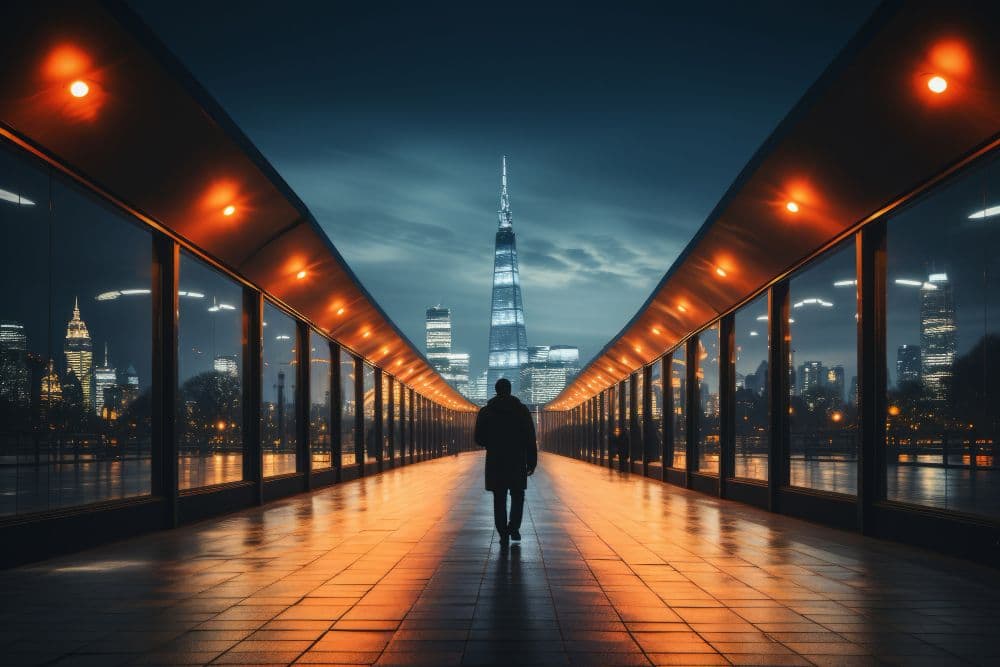
Dubai changes pace when walking becomes possible again. Sidewalks stop being transitions and turn into destinations, and the city reveals habits that are invisible in peak heat.
When the City Breathes Outdoors
Cooler months reset how Dubai city functions. Mornings stretch into long coffee hours. Evenings begin before sunset. Dubai places that felt built only for cars suddenly reward slow movement, especially along older neighborhoods and waterfront paths.
Reading the Signs, Not the Hype
Dubai people do not announce the shift. They adjust quietly. Outdoor tables fill first. Desert drives start earlier in the day. Jackets appear at night. These are the signals that the city has relaxed its grip.
Walking Without Negotiation
This is when walking feels intentional instead of strategic. Districts like Al Fahidi and parts of Jumeirah reward short distances and curiosity. You notice doors left open, conversations spilling outward, and shops that invite lingering.
Desert Drives Feel Human
The desert stops being a test of endurance. Early drives stretch into late afternoons. Sand takes on texture rather than glare. This is when desert roads feel like shared space, not spectacle.
Clothing That Matches the Mood
Packing light layers works better than planning outfits. Daytime needs breathable cotton. Nights ask for a thin jacket. Comfortable shoes matter more than style statements because the city invites movement again.
Transport That Finally Makes Sense
Dubai flights arrive smoothly in this season, but the real change happens on the ground. Metro rides feel comfortable. Taxis idle with windows down. Renting a car becomes optional rather than essential if your base is well chosen.
Cafés Leave Their Corners
Outdoor cafés become social markers. Chairs face streets, not walls. Meals slow down. You are expected to sit, not scroll. Dubai places that once felt transactional soften into communal spaces.
Budgets Stabilize Instead of Spiking
Spending becomes predictable. You are not paying to escape the heat. Food costs stay steady. Transport costs drop with walking and public transit. Dubai feels less like a premium product and more like a functional city.
New Attractions Without the Rush
Upcoming developments and cultural spaces, hinted at in future city plans, make more sense now because you can approach them gradually. You notice scale rather than spectacle, and the city’s expansion feels thoughtful instead of overwhelming.
Evenings Redefine Luxury
Luxury becomes time, not access. Watching the city slow down from a bench. Walking after dinner without urgency. Dubai city shows restraint when the weather allows it.
Planning Around Energy, Not Checklists
This is not about covering every landmark. It is about choosing neighborhoods that reward repetition. Returning to the same café. Walking the same stretch at different hours. Dubai people do this naturally, and visitors benefit when they follow.
Choosing Where to Stay Matters More Than What to See
Staying near daily life changes the trip entirely. Proximity replaces planning. Morning walks replace alarms. Travelers who book a stay via Neomaxer during this season often find that Dubai stays quieter, closer, and easier to live in, rather than rushing through.









