
Tokyo


Packages for Tokyo
Curated travel packages
 9D 8N
9D 8NJapan Adventure & Culture Trail
Walk, hike, explore, and discover Japan
 8D 7N
8D 7NJapan First Timer Discovery
Tradition, technology, and timeless Japan
 7D 6N
7D 6NJapan Romantic Escape
Cherry blossoms, hot springs, and lantern-lit streets
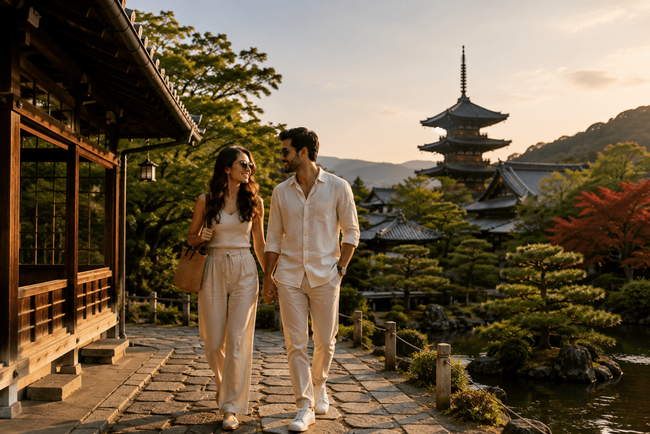 8D 7N
8D 7NJapan Luxury & Leisure Escape
Japan, in style and comfort
Places to Visit in Tokyo
Attractions and experiences

TOKYO TOWER Passport
Tokyo Skytree Observatory Advance Ticket | Japan
AniTouch Aqua City Odaiba
GA KYO Daiba Tokyo Entrance Ticket
Art Aquarium
Go Karting Experience in Akihabara
Indoor kids' facility ASOBono!
Japan Attraction
Japan TeamLab Planets TOKYO Ticket
Places to stay in Tokyo
Things to Do in Tokyo
Top activities and experiences

Senso-ji Temple

Meiji Jingu Shrine

Ueno Park & Tokyo National Museum

Akihabara District

Tokyo Skytree

teamLab Borderless Tokyo

Meiji Shrine & Harajuku

Explore Nikko UNESCO Shrines and Waterfalls

Explore Shibuya Crossing & Hachiko Statue

Visit Shinjuku Gyoen National Garden

Evening Stroll at Odaiba and Tokyo Bay

Explore Kamakura Temples and Coastal Views
Quick facts about Tokyo
Local weather

clear sky
Humidity
80%
Wind
4.07 m/s



General info
Time zone
JST (UTC+9)
Currency
JPY
Official languages
Japanese
Best time to visit
MAR-APR
OCT-NOV
Recommended trip duration
5 days

FAQs about Tokyo
The best time to visit Tokyo is late March to early April for cherry blossom season, when the city is at its most photogenic. October to November offers autumn colors and clear, mild weather (15–22°C), ideal for exploring major places to visit in Tokyo. June to July is best avoided due to the rainy season and humidity, while August can be very hot (32°C+). December brings clear skies and fewer crowds, though temperatures drop to 5–10°C, which still suits many outdoor things to do in Tokyo.
Yes, Indian passport holders need a Japan tourist visa to visit Tokyo. Applications are processed through VFS Global and usually take 5–7 working days. Required documents include a travel itinerary, hotel bookings, return flight tickets, and bank statements, which are standard for Tokyo tourism planning.
Getting around Tokyo is efficient thanks to its extensive subway and JR rail network, often considered among the most reliable in the world. A Suica or Pasmo IC card allows seamless tap-on, tap-off travel across trains, subways, and buses, and even works at convenience stores. Google Maps provides precise platform-level directions, making navigation easy for anyone using a Tokyo travel guide. Taxis are clean and comfortable but expensive, starting at around 700 JPY.
While often seen as costly, Tokyo tourism can be managed on a range of budgets. Mid-range Tokyo hotels typically cost 12,000–25,000 JPY per night. Food options vary widely, from 800 JPY for quality ramen to 5,000+ JPY for sushi omakase. Budget-friendly choices like convenience store breakfasts (300–500 JPY) and standing-bar meals (2,000–3,000 JPY) make it possible to visit Tokyo without overspending.