Must-visit places and experiences

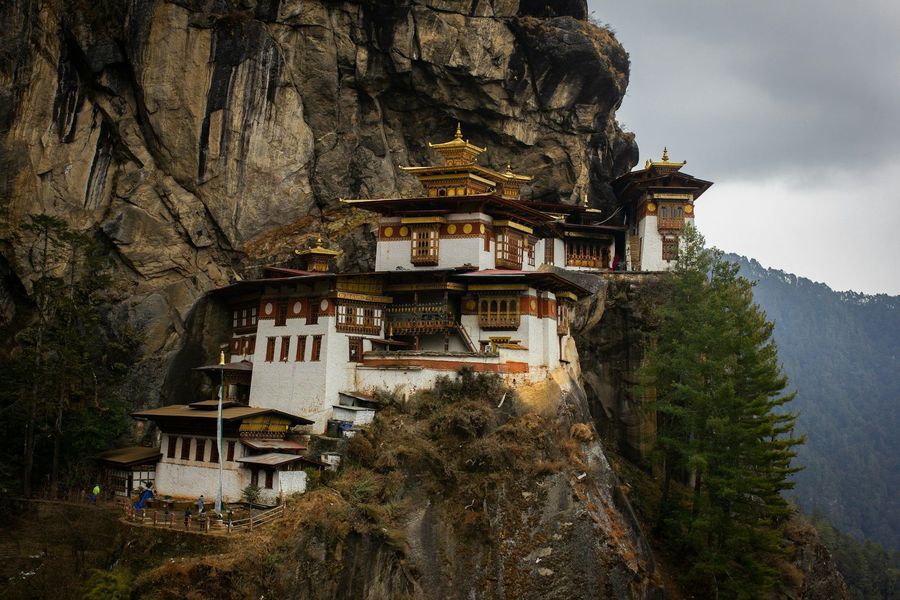
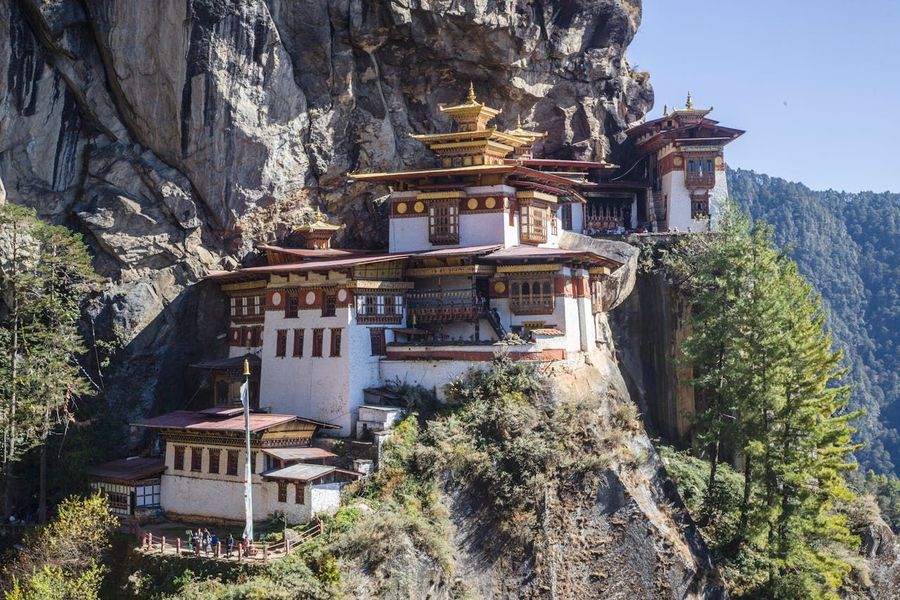
Paro Taktsang, known as Tiger’s Lair, is the most photographed landmark in Paro and the most sacred Buddhist site in Bhutan. Clinging dramatically to a sheer cliff 900 metres above the valley floor, it is accessible only on foot and ranks among the top attractions in Paro. According to legend, Guru Padmasambhava, the 8th century saint who introduced Buddhism to Bhutan, flew here on the back of a tigress to subdue local spirits and meditated in a cave for three years, three months, three weeks, three days and three hours. The present monastery was completed in 1692 around that cave, destroyed by fire in 1998 and carefully rebuilt by 2005. The uphill walk, one of the most iconic things to do in Paro, takes two to three hours through pine and rhododendron forests before descending stone steps and crossing a footbridge to reach the monastery.

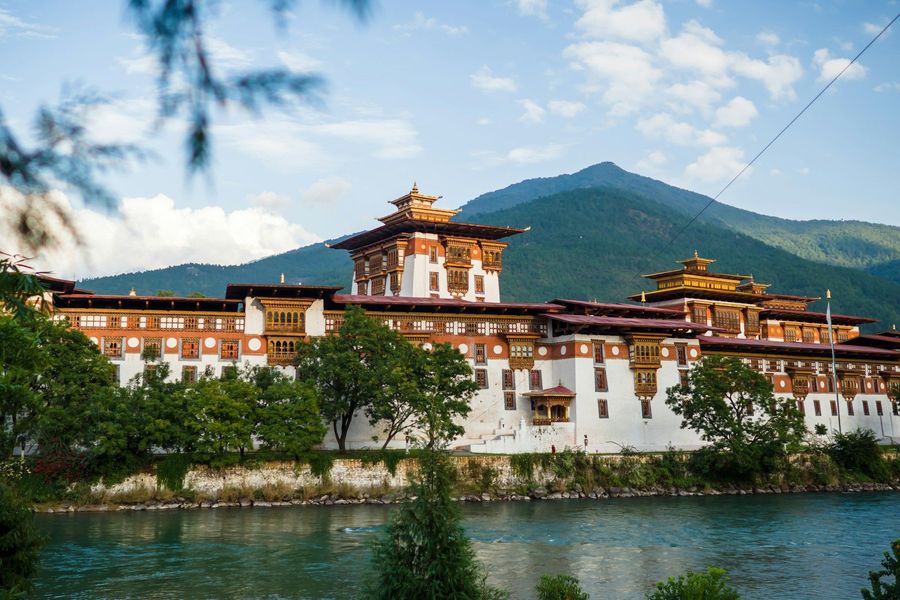
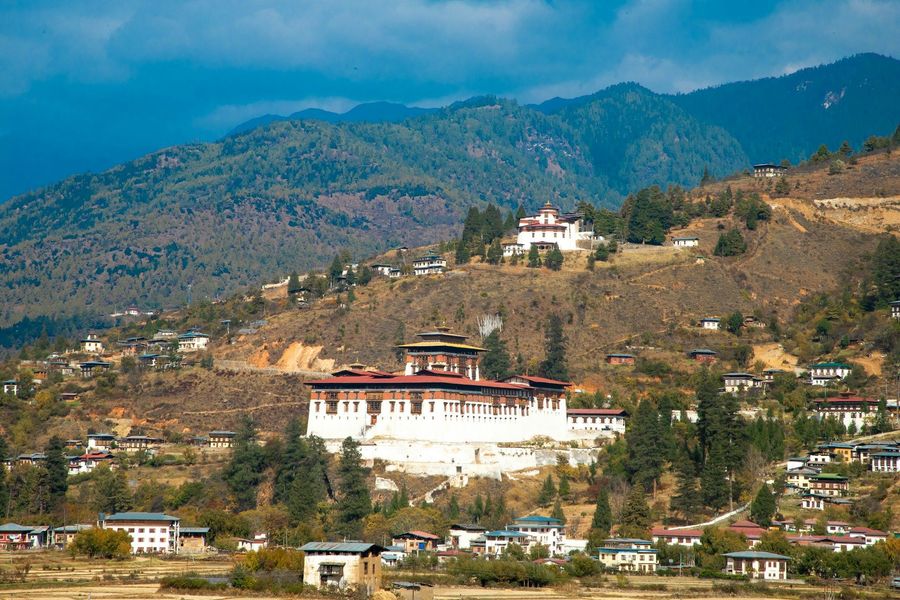
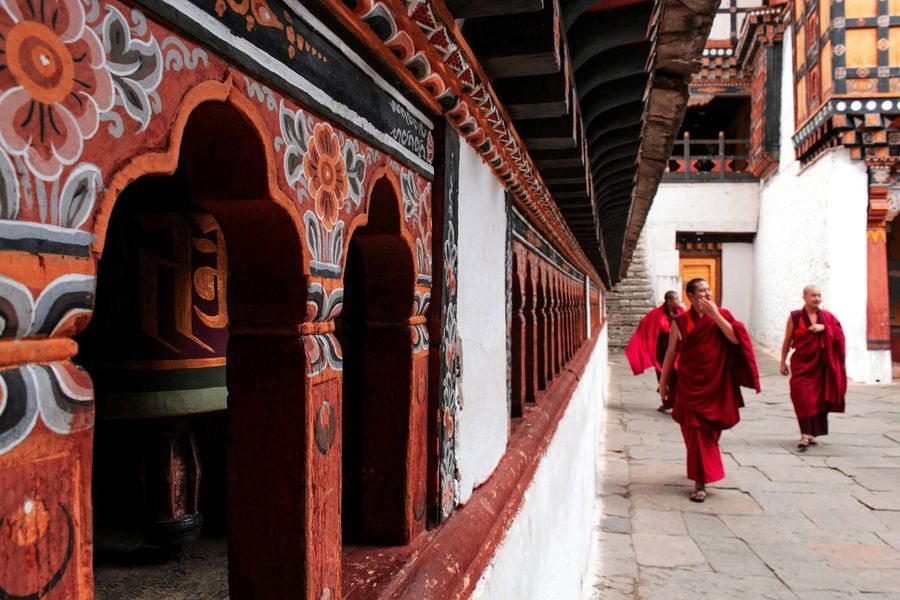
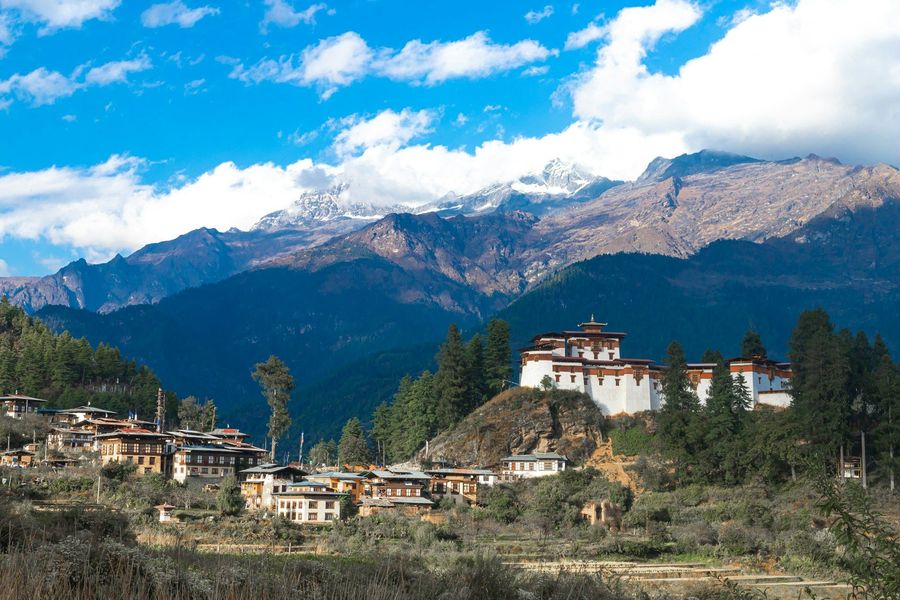
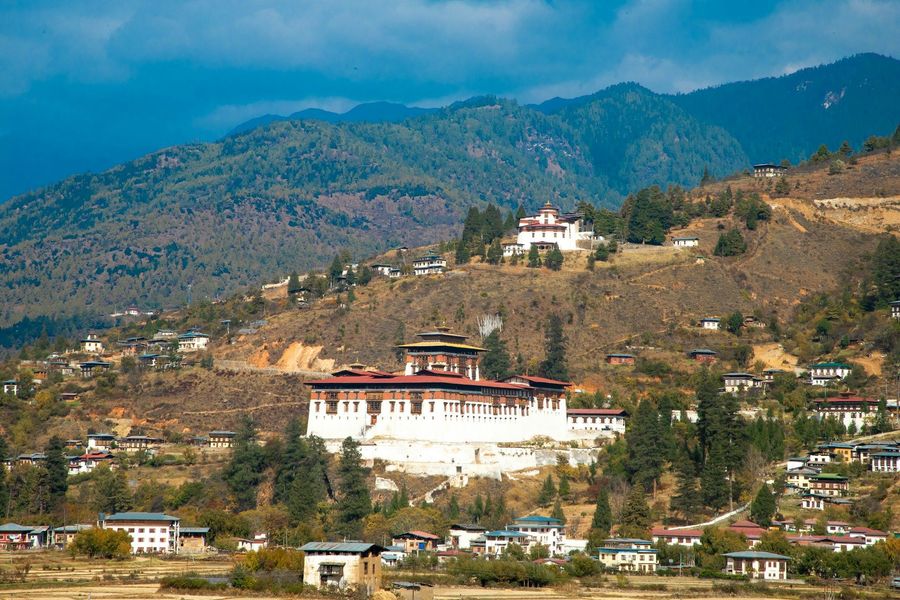
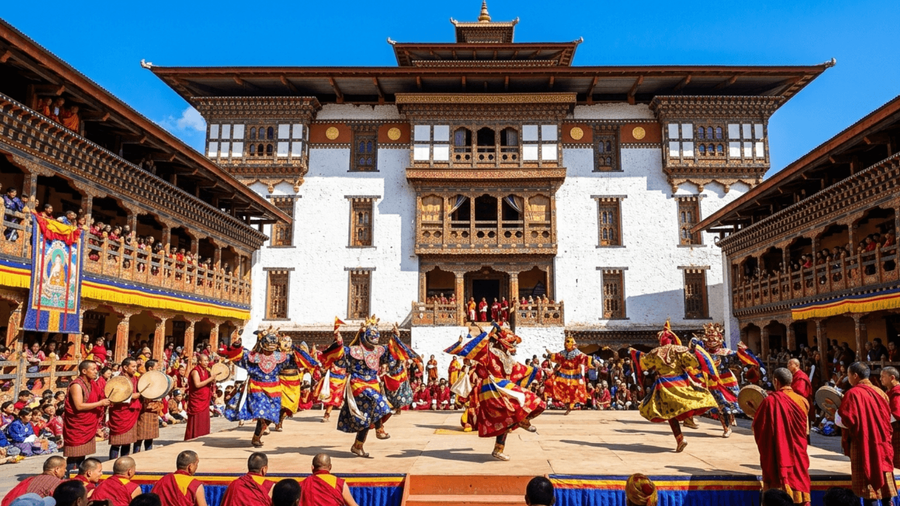
Rinpung Dzong, meaning Fortress on a Heap of Jewels, is the commanding 17th century fortress monastery that overlooks the Paro valley. This five storey complex of whitewashed walls, narrow windows and golden tiered roofs rises above the Paro Chu river and is counted among the top attractions in Paro. Built in 1644 by Zhabdrung Ngawang Namgyal, founder of Bhutan’s unified state, it serves both as a monastic residence for around 200 monks and as the administrative centre of the district. The inner courtyards are adorned with intricate Buddhist murals depicting the wheel of life, guardian kings and bodhisattvas in traditional style. Frequently highlighted in every Paro travel guide, the dzong also appeared in The Last Samurai and plays a central role in Paro tourism during the annual Paro Tshechu festival, when masked cham dances fill the main courtyard for five days each spring.
Top activities and experiences


light rain
Humidity
78%
Wind
1.94 m/s
Time zone
BTT (UTC+6)
Currency
BTN
Official languages
Dzongkha
Best time to visit
MAR-MAY
SEP-NOV
Travel guides, tips, and stories

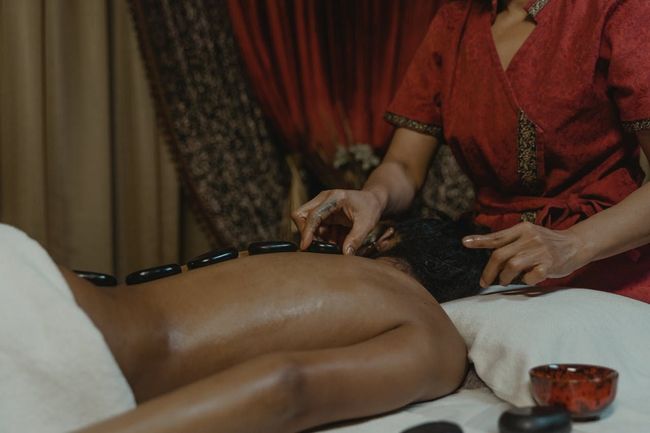
Bhutan in winter is a hidden gem for travelers seeking peace and crystal-clear Himalayan views. With fewer crowds and lower costs, you can explore iconic spots like Tiger’s Nest or watch rare black-necked cranes in Phobjikha. Enjoy traditional hot stone baths, spicy Ema Datshi, and the warmth of local hospitality. It is the perfect time for a quiet, spiritual retreat amidst snow-capped peaks and bright blue skies.

Bhutan’s hills draw Valentine’s travelers with clear February skies, pine-scented hikes to Tiger’s Nest, riverside views in Punakha, and evenings under sharp mountain stars. With guided travel, cultural rituals, hot stone baths, and boutique lodges, the trip blends altitude, tradition, and quiet moments that feel shared rather than staged.

Paro Tshechu takes place at Rinpung Dzong, where monks perform Cham dances wearing symbolic masks and robes tied to Buddhist teachings. The final day reveals a giant Thongdrol tapestry at dawn. Visitors arrive early, sit along courtyard edges, and watch rituals believed to purify karma while families gather, eat, and pray together.
March to May brings blooming rhododendrons and mild temperatures between 10 and 22°C. September to November offers clear mountain air and vibrant festivals such as Paro Tshechu. Winter from December to February is cold yet quiet and scenic.
Indian passport holders do not require a visa but must obtain a Sustainable Development Fee entry permit of 1,200 INR per adult per day. Other nationalities pay 100 USD per day and must arrange a visa through an authorised Bhutanese tour operator.
International tourists must travel with a licensed guide, though Indians and Bangladeshis are exempt. Transport is usually by private car and driver arranged in advance. Paro town itself is easy to explore on foot, with most Paro hotels located near the main street.
The hike is moderately strenuous, taking four to five hours round trip with a 900 metre elevation gain. Most visitors can complete it at a steady pace. Horses are available for the first half of the climb. Acclimatise for one to two days before you visit Paro’s most iconic site and enjoy one of the best things to do in Paro.
Join the discussion with real travelers. Ask questions, share insights, and get the most out of your next adventure.
Recommended trip duration
3 days