
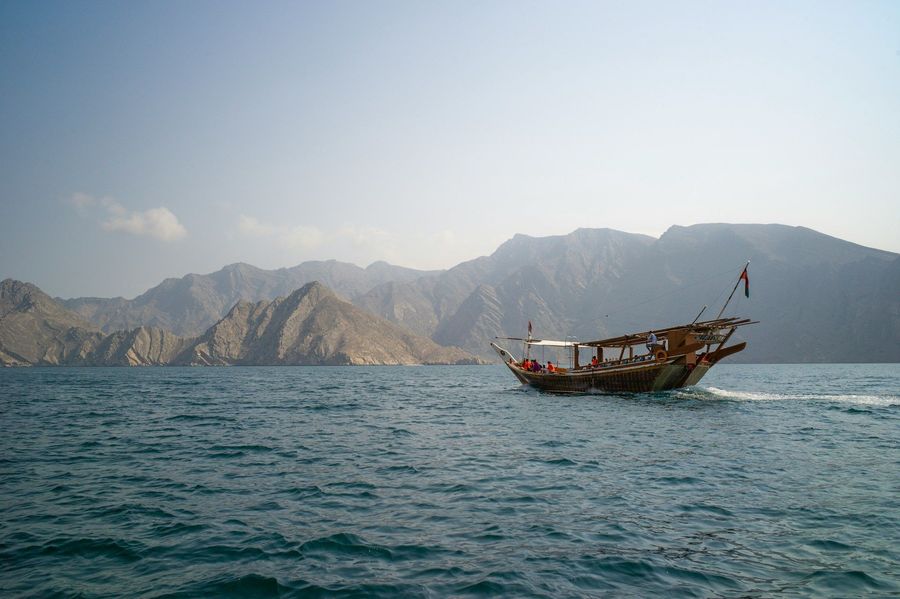
Oman
Oman is a captivating Arabian destination where dramatic deserts, turquoise wadis and rugged mountains meet a pristine coastline. From the cultural charm of Muscat Oman and its grand Sultan Qaboos Mosque to the rolling dunes of Wahiba Sands and the emerald pools of Wadi Shab, the country offers a rich blend of adventure and heritage. Visitors can explore ancient forts, vibrant souqs and untouched beaches while enjoying warm Omani hospitality. With pleasant Oman weather from October to March, it is perfect for desert safaris, mountain drives and coastal escapes, making Oman a must visit Middle East travel experience.
Oman's must-visit cities
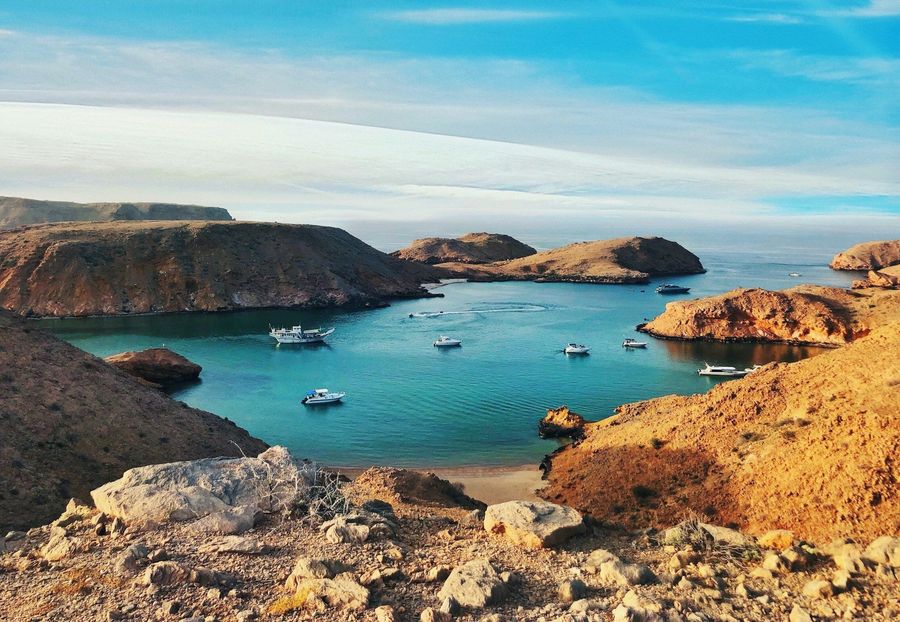
Things to Do in Oman
Top activities and experiences across Oman
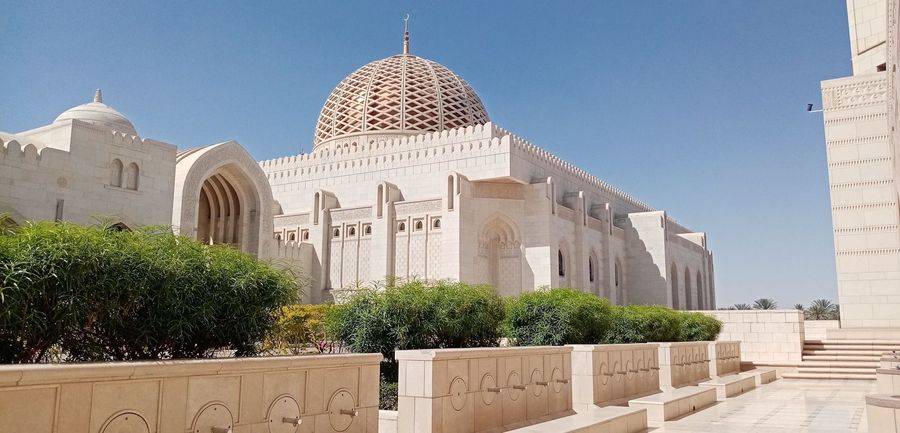
Sultan Qaboos Grand Mosque
The Sultan Qaboos Grand Mosque in Muscat Oman is the country’s principal mosque and one of the Gulf’s most striking examples of contemporary Islamic architecture. Completed in 2001 after six years of construction in warm-toned Indian sandstone, it accommodates up to 20,000 worshippers across the main prayer hall and surrounding riwaqs. Many visitors arrive via Muscat International Airport and plan their visit around Muscat prayer time, as entry for non-Muslims is permitted in the mornings only, reflecting the late Sultan’s gesture of openness. The men’s prayer hall contains what was once the world’s largest hand-loomed Persian carpet, covering 4,343 square metres and woven by 600 Iranian women over four years. Suspended above it is a 14-metre Swarovski crystal chandelier weighing 8.5 tonnes. Allow 1.5 to 2 hours to explore the complex comfortably, keeping Muscat weather in mind when visiting during warmer months.
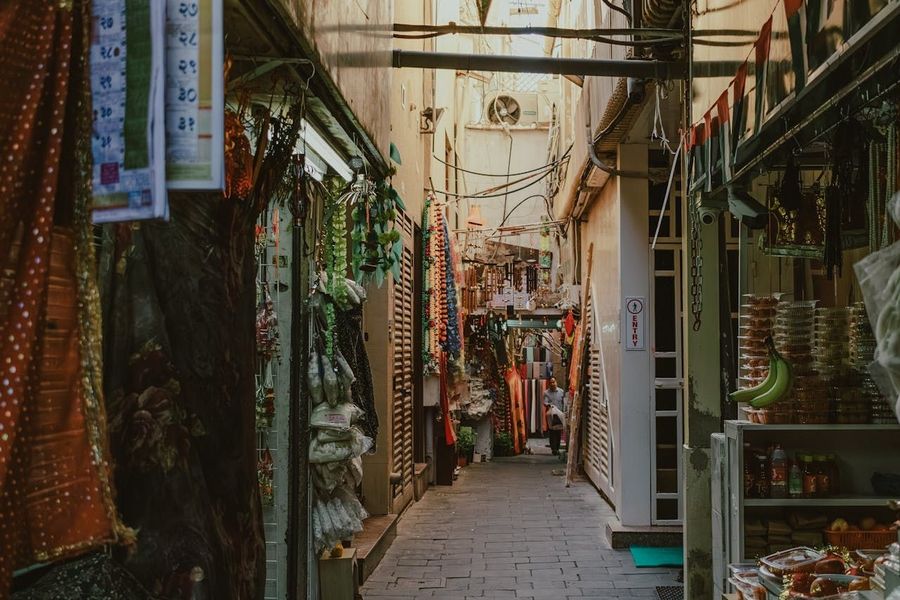
Mutrah Souq
Mutrah Souq, locally known as Souq Al Dhalam or market of darkness for its covered alleys that block the sun, is one of the oldest markets in the Arab world, with more than 200 years of continuous trade in the heart of Old Muscat Oman, just behind the Mutrah corniche. Its maze-like lanes are filled with frankincense and myrrh from the Dhofar region, Oman’s signature export since antiquity, alongside pashminas, traditional silver khanjar daggers, Omani halwa, antique Bedouin jewellery and Indian textiles that reflect centuries of Indian merchant influence. Unlike the polished gold souks elsewhere in the Gulf, Mutrah retains a working, unpretentious character where bargaining is expected and shopkeepers are relaxed. Evenings after 5 PM are ideal, when Muscat weather cools, the harbour breeze flows through the alleys and the souq is at its liveliest, often aligning with Muscat prayer time as locals gather nearby.